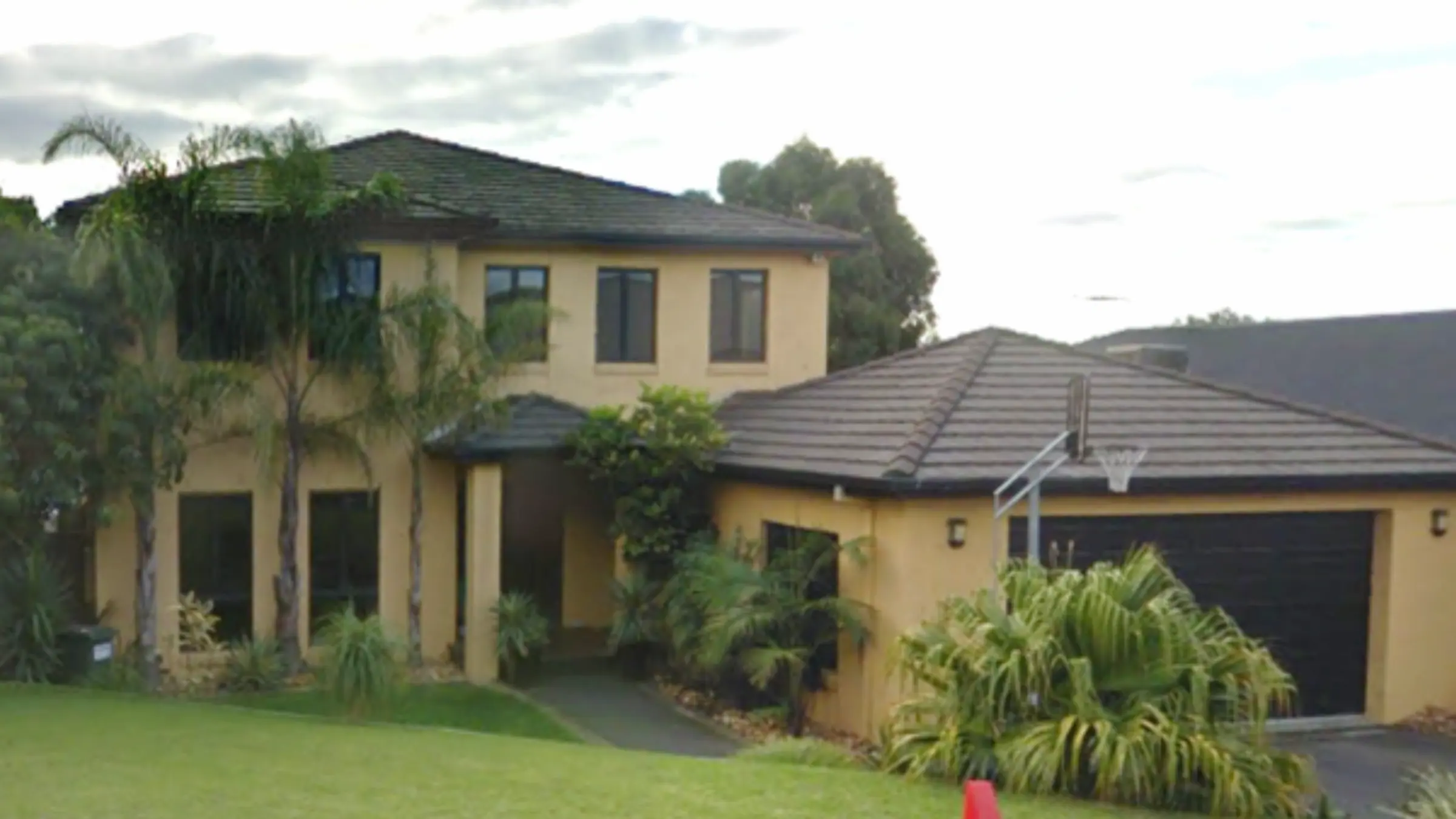
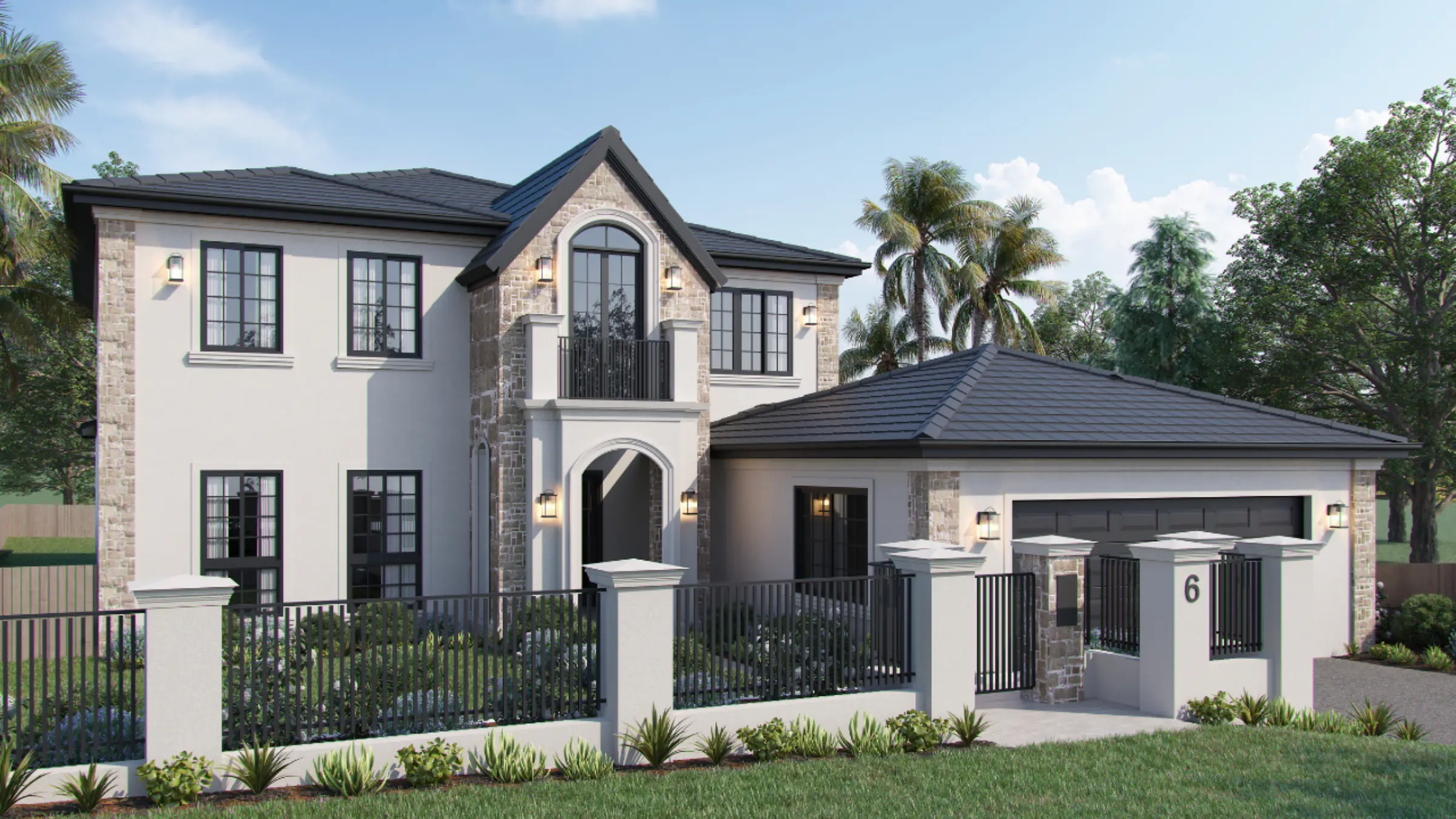
You want an attractive, cohesive look for the exterior of your home, but how can you be sure your colour and product selections are going to work together and provide the outcome you’re hoping for?
A home renovation visualiser will help you see your ideas in full colour before you start renovating. It’s an insurance policy that ensures you’re making the right choices to create a home you love and are happy and proud to come back to every day.
Visualisation software – One way to visualise and experiment with different exterior renovation ideas is to use design software. There are lots of different types of visualisation software available, and many are specifically designed for exterior home renovation projects (though most are US based). These types of software allow you to create a 3D model of your home, and then add or remove different elements to see how they would look. They can be a bit of a learning curve, but well worth the effort to make sure you’re doing the right thing. Google ‘home renovation visualiser’ to find some options that could suit you.
Mood Boards – Another way to visualise your ideas is to create a mood board. This is a collection of images and samples that represent the look and feel that you want for your home. This is an excellent place to start if you’re unable to go down the visualisation software route. You can use images from magazines, catalogs, and the internet to create a visual representation of your vision.
Hire a Designer – Another way of visualising your ideas is to hire an exterior designer like Hotspace Consultants. They can help you to refine your ideas and develop a detailed design plan for the outside of your home, giving you the ability to make informed choices about the materials and colours that you will use.
Whether you use design software, create a mood board, or hire an exterior designer, visualising your ideas will help you to achieve the look and feel you want for your home – with no ugly surprises at the end!
Need help refining and visualising your exterior home design? Contact me here at Hotspace Consultants to see if I can help… https://hotspaceconsultants.com/preliminary-enquiry/
Jane Eyles-Bennett x
Tired of a mediocre home with lackluster Street Appeal? An experienced exterior designer will help you achieve your dream home Facade.
How? Because they will…:
… introduce new features that blend seamlessly with the existing style of your home: A good exterior designer like Hotspace Consultants will work with your home’s architectural style, adding and modifying features to give it an entirely new appearance. When a designer understands your brief and budget, they’ll show you how to transform your home in ways you’d never have imagined.
… have the skills, knowledge, and experience to turn your ideas into a cohesive and functional design that suits your home: You want your design, but better, right? That’s what a good exterior designer will do for you. They’ll use your collection of images and inspiration (eg Pinterest) and curate a design that will not only improve the appearance of your home but increase its value, too.
… help you maximize street appeal: Your exterior designer should be a Facade expert too. This is a unique skill-set that even many architects have not mastered. The right designer will help you select the right materials, colours, landscaping and other details to create an harmonious, interesting look that stands the test of time and cohesively blends with the interior of your home.
… save you money: Counterintuitive, I know, but it’s true. A good exterior design professional will design to your budget, suggesting cost-effective solutions without compromising on design or functionality.
Hiring a professional exterior designer is an investment up front that will return to you in many, many ways. Imagine loving how your home looks and how proud of it you’ll feel once it’s renovated right! Home is where the heart is – so create one that makes you proud the minute you pull into your drive!
Need help with designing the exterior of your home? Send me an email jane@hotspaceconsultants.com or contact me here to see if we can help… https://hotspaceconsultants.com/preliminary-enquiry/
Jane Eyles-Bennett x
You can add significant value to your home when you renovate, but you have to focus on certain things. With so many options to choose from, how do you know where to begin? As an exterior designer and street appeal expert at Hotspace Consultants, here are my top tips to add value with your exterior renovation:
Start with the basics: Before you begin any major renovations, take a close look at the current state of your home’s exterior. Is the paint peeling? Are there any missing tiles or loose gutters? These are all small issues that can have a big impact on the overall appearance of your home. Get these fixed first!
Focus on street appeal: The first thing anyone sees of your home is the exterior. Simple updates, like a fresh coat of paint, new hardware on the front door, or a new mailbox can make a big difference. Landscaping or hardscaping elements, like a new path or patio, will also help to enhance the overall appearance and value of your home. But don’t just settle for a run-of-the-mill look you’ve copied off the internet; Interesting updates to your home can have a powerful impact on the overall end result.
Add square meterage: Another way to add value to your home is by ‘adding a room’. This might be a new outdoor living space (even just a new front patio or back deck without a roof can add value if done well), turning your basement into a bedroom or office, or adding an ensuite. These extra spaces can make your home more enjoyable, practical and valuable!
Ask an expert: You’ll spend less money on your exterior renovation when you get assistance from a professional like Hotspace Consultants. Plus, you’ll have a water-tight plan which means you’ll have less hiccups and budget blow-outs. Invest in good advice before you start and you’ll not only end up with more stunning street appeal, but it’ll be a smoother, less expensive process in the end.
If you’d like to see if we can help, visit https://hotspaceconsultants.com/ and send me an enquiry via the ‘ENQUIRE NOW’ tab.
Jane Eyles-Bennett x
Renovating can be like opening a can of worms and often takes months longer than expected. Here are my top 7 tips for managing your exterior renovation:
Set clear goals: Before you start any renovation, it’s important to know exactly what you want to accomplish. Are you doing a quick trick-up or a more thorough overhaul? Are there structural issues to resolve? Having clear goals will help you stay focused and make better decisions throughout the process.
Create a budget: Determine how much you can afford to spend on your renovation, and try to stick to it as closely as possible. This will help you avoid overspending and ensures you have enough money to complete the renovation.
Hire a contractor: Unless you have experience with exterior renovations, it’s generally a good idea to hire a professional to handle the work. Make sure to do your research and choose a reputable and licensed company or individual.
Get multiple quotes: Don’t just go with the first quotes you find. Instead, get bids from multiple contractors to ensure that you’re getting the best deal. Don’t just look at the price; consider other factors such as experience, reputation, and quality of the materials they plan to use.
Set a timeline: Determine how long you want the renovation to take, and discuss with your contractors to make sure it’s realistic. Have a timeline drawn up and ensure every trade knows expected completion dates for their portion of the project.
Stay involved: While you should definitely let your main contractor and sub-trades handle the work, it’s important to stay involved in the renovation process. I like to meet with contractors most days – even if just briefly – to make decisions & ensure the work is being done to my satisfaction.
Keep records: Keep a record of all correspondence, as well as any receipts or documents related to the renovation. This will be helpful if there are any disputes or issues that need to be resolved.
By following these tips, you can effectively manage your exterior renovation and end up with a home that you love!
Jane Eyles-Bennett
https://hotspaceconsultants.com/
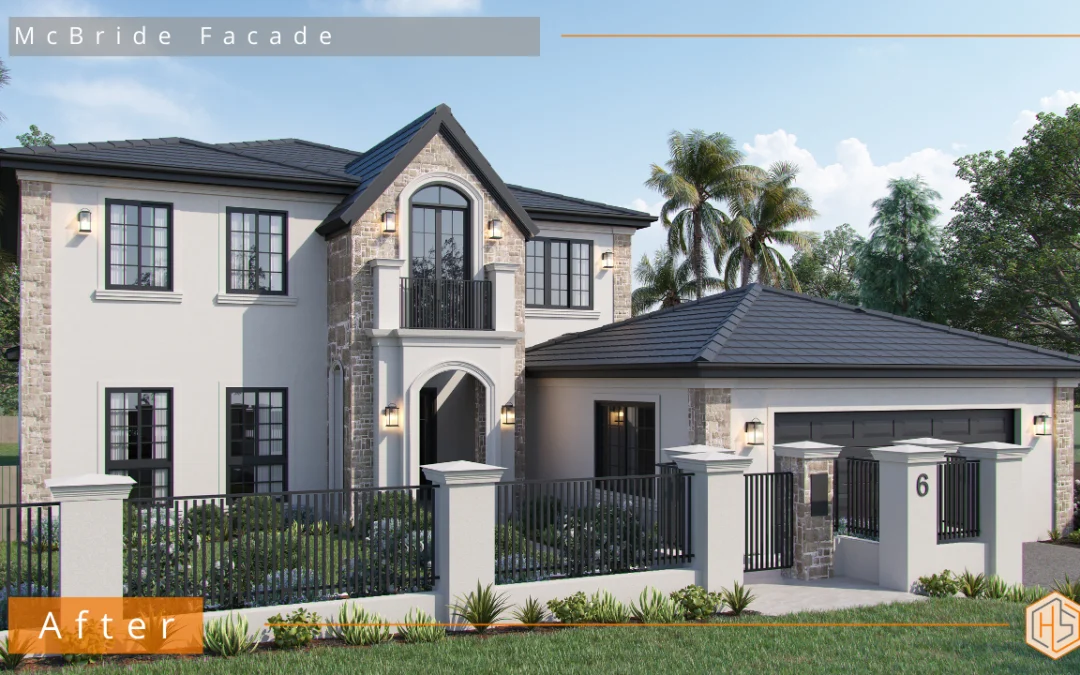
Modern or Hamptons? Federation, Coastal Boho or something else?… Choosing a theme for your exterior renovation is essential, but only some will suit your home. Here’s how to find the perfect exterior style for your place:
Consider the architecture of your home: The style of your home’s exterior should be consistent with the overall architecture of your home. For example, if your home is a traditional colonial, a modern, minimalist exterior may not be the best fit. Look for styles that complement the existing architecture and features of your home. Have a look on Pinterest for ideas.
Think about the location of your home: The location of your home can also influence the style of your exterior renovation. If you live in a neighborhood with mostly older, traditional homes, a more modern exterior may stand out in a negative way. On the other hand, if you live in a newer development with mostly contemporary homes, a traditional exterior may not fit in as well. You could always buck the trend – or find a happy blend between modern and traditional!
Consider your personal style: It’s important to choose a style that you love and will love coming home to for years to come. Take some time to think about your personal style and what you’re drawn to. A great way to do this is to create several physical or online folders (or ‘boards’ in Pinterest), name them ‘Modern’, ‘Hamptons’, ‘Coastal’ etc, and every time you see something you like, add it to the folder of that style. Over time, one style will reveal itself as being most favourable to you. In particular, pay attention to the colours, materials, and details that appeal to you most.
Work with a professional: If you’re feeling overwhelmed or unsure about the right style for your home, consider working with a professional exterior designer, like Hotspace. We’ll help you narrow down your options and create a cohesive design plan that fits your home and your personal style.
Visit our website to see how we can help… https://hotspaceconsultants.com/
Jane Eyles-Bennett
Renovation costs for your home’s exterior upgrade will vary greatly depending on a number of factors. Here are some general guidelines that can help you get a sense of what to expect.
Expect to pay around 2-7% of your home’s value
A good way to determine how much to spend on your exterior renovation is to consider the value of your home. As a general rule, we recommend our clients here at Hotspace Consultants spend around 5-7% of the home’s value for an exterior renovation. For example, if your home is worth $1,000,000, you should budget between $50,000 & $70,000.
Of course, this is just a rough estimate and the actual cost could be much higher or lower depending on the specific details of your project. For example, if you’re planning to completely overhaul the facade of your home, or using high-end materials like stone or other special claddings, you can expect to pay more than if you’re simply updating the paint and tidying up the landscaping.
Avoid over-capitalising (i.e don’t spend more on your home than the value you would add with the renovations). Compare your home as it would be with the exterior fully renovated, with other homes (similarly renovated) in your suburb. There is usually a ‘cap’ on how much value you can add to a property and this is based on what other homes of similar standing in your area have recently sold for (even if you aren’t selling your home, this is still important to consider).
Keep your spending on track by identifying all specs and costs BEFORE you begin renovating
Piecemeal renovations are a one-way ticket to over-spending. Instead, identify all the details of your renovation + their associated costs before you start on any of the renovation work. This is where Hotspace Consultants can help. Costs will inevitably go up and down due to unforeseen circumstances or problems on site, but at least you have a starting point. Ensure you have a contingency of at least 10% of your budget to allow for variations as you go.
If you want to make sure you stick to your renovation budget AND have an amazing home to come home to every day, contact me here to see if Hotspace Consultants can help… https://hotspaceconsultants.com/preliminary-enquiry/
Jane Eyles-Bennett