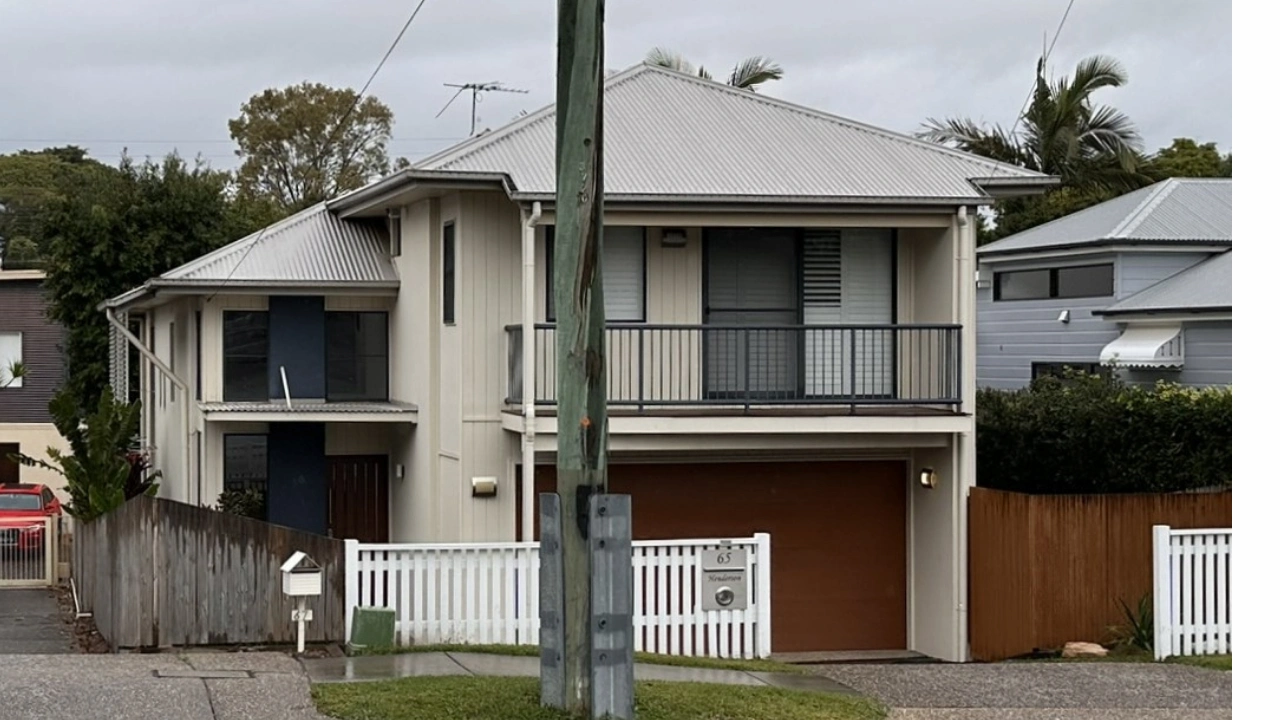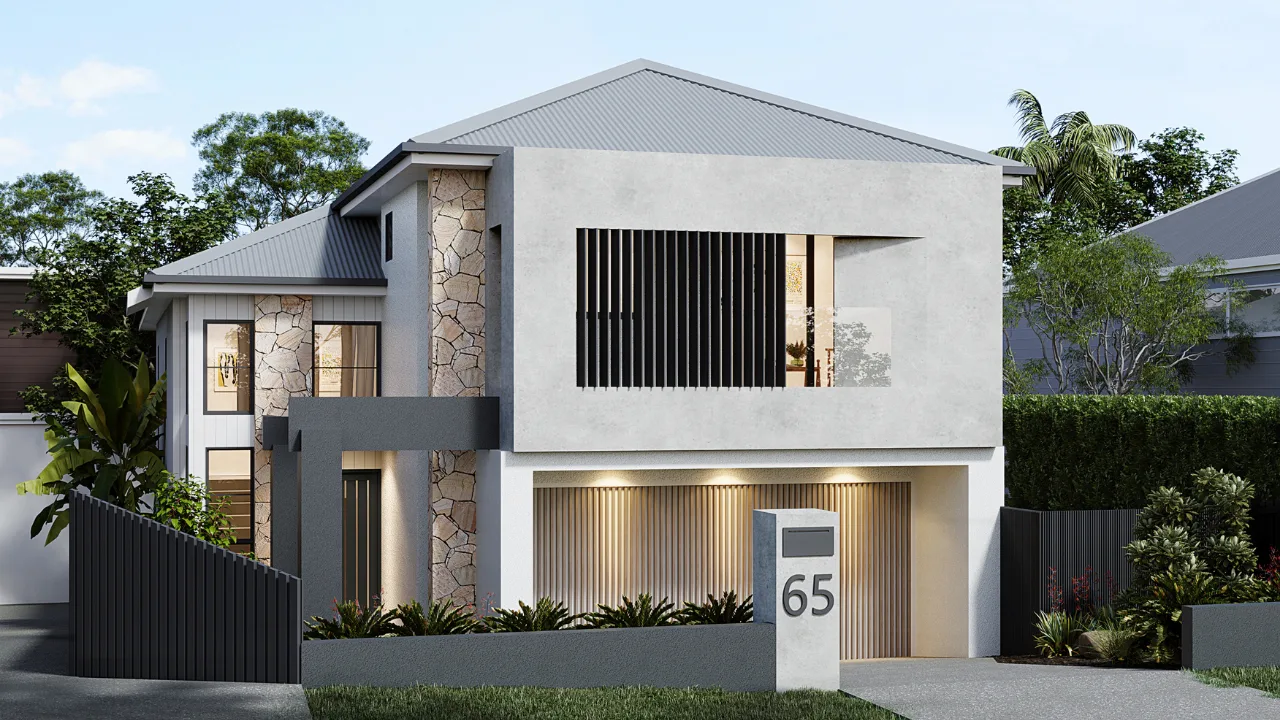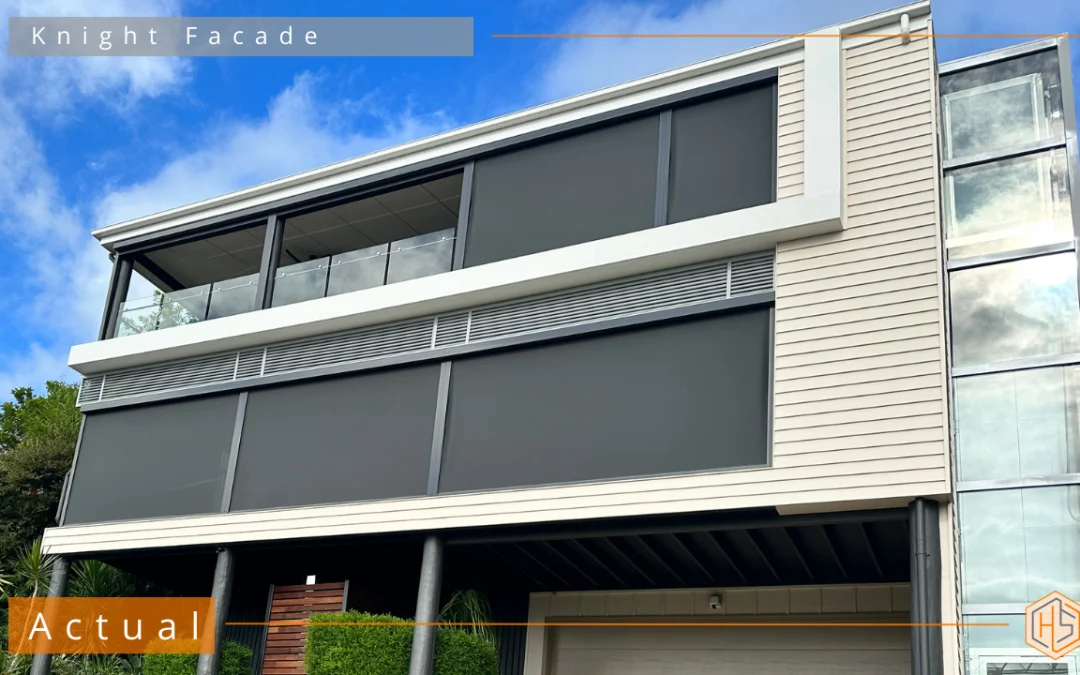
Do you look at the exterior of your home and feel like something’s missing? Maybe it’s outdated or just plain boring. Whatever the reason, you’re ready for a change. If you’re not sure where to start, here’s my complete guide to a jaw-dropping exterior renovation!
Step 1: Evaluate Your Current Exterior
Before you can begin your renovation, you need to know what you’re working with. Take a close look at your home’s exterior and identify the areas that need improvement. This might include the walls/cladding, roof, windows, or landscaping. Make a list of what needs to be updated, and prioritize the items based on importance and budget.
Step 2: Choose a Colour Scheme
A fresh coat of paint can do wonders for your home’s exterior. Choose a colour scheme that complements your home’s architecture and landscape. Neutral tones like beige, gray, and white are classic choices, but you could also go for bold colours if they suit your style. Don’t forget to consider the colour of your roof, as it will play a significant role in the overall look of your home.
Step 3: Upgrade Your Walls/Cladding
This is one of the most noticeable features of your home’s exterior. If your current walls are damaged, outdated, or just not to your liking, it’s time for an upgrade. There are many different materials to choose from, so be sure to consider durability, maintenance, and cost when selecting your materials.
Step 4: Install New Windows (or paint the existing)
Windows are another crucial element of your home’s exterior. New windows can improve energy efficiency, increase kerb appeal, and enhance the overall look of your home. Consider the style, size, and material of your windows when making your selection. You may also want to add window shutters or window mouldings for extra charm. Painting windows is a possibility, depending on the condition of your existing windows.
Step 5: Update Your Roof
Your roof is an essential component of your home’s exterior. If it’s damaged or outdated, it can detract from your home’s overall appearance. Consider updating your roof with a new material or paint it a colour that complements your walls, trims and landscaping.
Step 6: Add Landscaping and Lighting
Landscaping and lighting can be the finishing touches on your exterior renovation. Plant interesting shrubs, and trees to add life to your yard. You may also want to add lighting to highlight your home’s architecture and landscaping. Solar lights are a great option because they’re energy-efficient and easy to install.
Transforming your dull exterior into a residential masterpiece is achievable with planning and effort. The most important thing is to have a clear plan and avoid a scattergun approach to your renovation.
Remember to take your time, prioritise your budget, and have fun with the process! And if you need help with choosing colours and designing your exterior upgrade, check out our Facade Design Plan service.
Jane Eyles-Bennett
Home extensions are on the rise from what I can tell – and certainly what I am seeing in my work.
If you’re planning to extend your home, whether that’s building up, out or back, blending the old with the new is paramount. Without considering both the existing home (even if it’s also being updated/rendered/new windows etc) and the new extension, you can end up with a detached, incohesive look if you’re not careful.
When your builder asks “What colour do you want for your roof, your gutters, your extension cladding, your existing house cladding, your front steps..etc”, what will you say?
If you have architects plans or drawings from a draughty but no idea about the colours, be careful you don’t end up with a hodge podge of selections. Remember, you’re going to be coming home to this every day for the next however-many-years!
On the other hand, if you want to love it, feel proud of it, and for it to stand out on your street for the right reasons, then bringing in an exterior designer will be money well spent. Considering your extension is going to be in the vicinity of $100k or more, $6k-$8k (for exterior design fees) is a bargain.
While you may be tempted to design the project yourself, there are several reasons why a designer can help make the process easier and ensure the final result is cohesive and aesthetically pleasing.
Create an overall vision to transform your home – First, a designer will help you create a vision for your home’s new look. They’ll work with you to determine your style, preferences, and the specific needs of your family. With their expertise, they can provide you with options that you may not have considered before and help you make decisions that will lead to a cohesive and visually stunning final product.
Blend old and new elements – Secondly, a designer is skilled at blending the old and the new in a way that is seamless. This is especially important when extending an older home, as you want to ensure that the new addition does not look out of place. A designer will help you choose materials, colours, and finishes that complement the existing structure and make the new addition feel like a natural extension of the home.
Save money – It might sound counterintuitive, but using a designer will save you money in the long run. While it may seem like an additional expense to hire a designer up front, their expertise will help you avoid costly mistakes or oversights. Don’t rely solely on the builder for this! A good designer will work with you to determine the most cost-effective solutions for your project, while still ensuring a high-quality result that adds value to your home and lasts the test of time.
If you’re planning to extend your property and blend the old with the new, hiring an exterior designer is a smart choice!
Contact me here to see if we can help you with your home extension and renovation… https://hotspaceconsultants.com/preliminary-enquiry/
Jane Eyles-Bennett

Painting your brick home can be a great way to update its look and improve street appeal. However, it’s important to consider these key factors before making a decision:
Choose the right colour: While painting bricks bright white might look great in a photo, it can be a maintenance nightmare in real life. Bright white bricks can quickly become dirty and discoloured, making them look unsightly. Instead, go for a slightly off white or very light grey instead – it’ll still look white (promise!) or a darker colour entirely.
Highlight features: By painting the bricks, you will lose some of the natural texture. Create new highlights by painting window frames, doors, or a feature wall in a lighter colour. This will add interest and contrast to your home’s exterior.
Consider other textures: Once the bricks are painted, there will still be a lot of texture in the form of mortar lines and other details. When selecting other finishes, such as stone or other materials, it’s important to keep this in mind. Too much texture can create a busy look, so aim for a balance between different textures and colours.
Hire a professional: Painting bricks can be a complex process that requires the right equipment, materials, and techniques. Consider hiring a professional painter to ensure the job is done correctly and that the paint will last for many years.
Need help with colours and all the other choices you need to make when updating the exterior of your home? An Exterior Design Plan© gives you all the colours, products, materials, details, landscaping and lighting (and everything in between) so you’ll know exactly how to create a home you love to point to as your own!
Contact me here to see if we can help you… https://hotspaceconsultants.com/preliminary-enquiry/
Jane Eyles-Bennett
How Long Will Your Exterior Renovation Take? An update to your home’s exterior can take anywhere from a few days to several months or more, depending on the scope of the project.
Some factors that can impact the length of the renovation include:
> The size of your home
> How much of it you’re renovating
> The complexity of the design
> The materials being used
> The number of workers involved
> Weather conditions
On average, a minor exterior renovation such as painting or replacing cladding can take 2-4 weeks.
A full exterior renovation that includes a new roof, windows, cladding/render etc, painting, lighting and landscaping can take anywhere from 10-16 weeks – sometimes longer.
It is important to have a clear and detailed plan in place before starting the renovation to ensure that the project stays on track and finishes on time.
A trusted contractor or project manager can provide an estimated timeline and work with you to minimize disruptions to your daily life during the renovation.
Remember, the length of your home’s exterior renovation can vary greatly, but the more organised you are, the quicker it will go! If you can work out up front everything you want to do and book in your main contractor or tradies in the correct sequential order, the disruption will be far less than if you work things out as you go.
A Facade Design Plan© gives you all the colours, products, materials and details so you have a definite plan to follow as you renovate the exterior of your home, which minimises any downtime or errors. Contact me here to see if we can help you… https://hotspaceconsultants.com/preliminary-enquiry/
Jane Eyles-Bennett
Finding good contractors & tradies so you can get your renovation done without hassle can be easier said than done. Follow these tips to find the best of the best and get your renovation done right, first time.
Get referrals:
Ask friends, family, and neighbours if they have any recommendations for tradies/contractors they’ve used in the past and were happy with.
Do your research:
Check online reviews and ratings for contractors & tradespeople in your area. Look at their website and social media accounts to get an idea of their work and customer satisfaction.
Check credentials:
Make sure they’re licensed and insured. This will protect you in case of any accidents or damages that may occur during the renovation.
Ask for references:
A reputable tradie or contractor should have no problem providing you with a list of references from previous clients. Contact these references to ask about their experience.
Get a detailed estimate:
Make sure the contractor or tradiesperson provides a detailed estimate of the work to be done, including a breakdown of the materials, labour, and a timeline for completion.
Verify their experience:
Make sure they have experience working on similar projects to yours.
Communication:
Make sure the contractor is responsive to your questions and concerns throughout the initial quoting process. If they don’t turn up or are sloppy with details, find someone else.
Have a written contract or at least sign their detailed quote:
Make sure that everything is in writing and signed by both parties to avoid any confusion or misunderstanding. Note: If any changes happen during the renovation (inevitable!), request a requote and be sure to sign this too. Request that no additional work is done without written approval from you first.
By following these tips, you can increase your chances of finding a reputable contractor or tradies who will complete your exterior renovation project to your satisfaction.
If you need help with the colours and product choices for contractors or tradies to quote on, you can get in touch with me here…
Jane Eyles-Bennett x
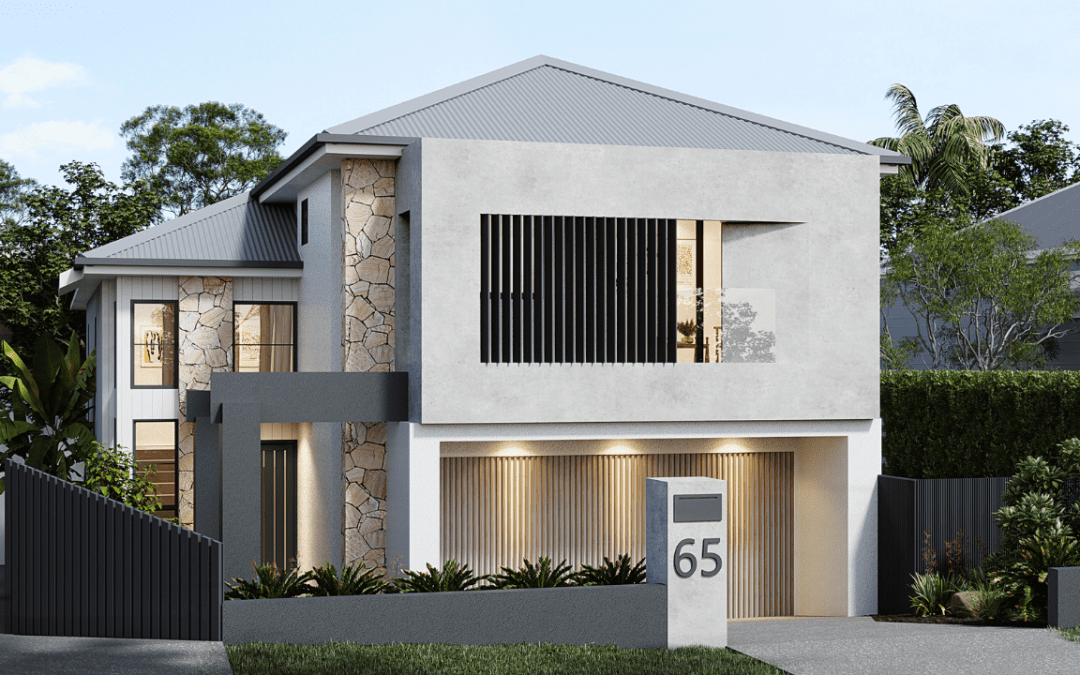
Want a modern and stylish look for your exterior home renovation? Here are 6 exterior design trends for 2024 and beyond…
Minimalist design with clean lines and a focus on simplicity
One popular trend that has emerged in recent years is the use of minimalist design. This style of design is characterized by clean lines and a focus on simplicity, which creates a sleek and sophisticated look.
Use of natural materials such as wood, stone, and brick
These materials are not only durable and long-lasting, but they also provide a sense of warmth and authenticity that can be difficult to achieve with other materials.
Bold colours and statement features to add visual interest
Using blocks of bold, neutral colour or creating a unique focal point such as a feature wall or minor structure is a great way to modernise the front of your home.
Mixing & matching different materials to create a unique and personalized look
This can include combining different types of stone, wood, and metal, or using different colours and textures to create a dynamic and eye-catching look.
Black framed windows
Black (or charcoal) coloured framed windows are a trendy alternative to traditional white frames. They can complement a minimalist design and give a modern look.
Incorporating plants and other natural elements into the design
This might include adding a green wall, vines up and around a pergola structure, or adding a water feature to create a sense of tranquility and connection with nature.
You might be wondering if any of these 6 exterior design trends could be used on your home. In fact, most homes can be renovated in contemporary style when you know how. Check out our gallery of before and after images for inspiration!… https://hotspaceconsultants.com/gallery/
Jane Eyles-Bennett x