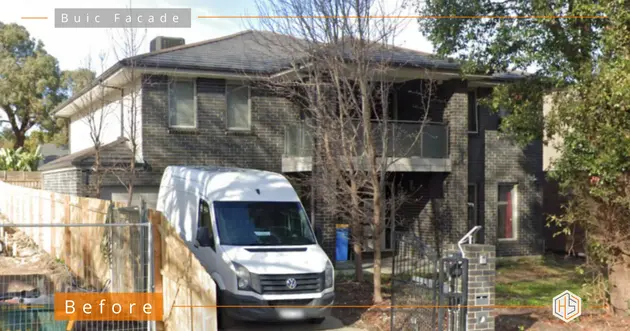
Modern home design has come a long way in terms of functionality, efficiency and clean aesthetics — but too often, it still misses the mark when it comes to personality. Take a drive through any new estate and you’ll likely see it: a sea of homes that all look the same. Boxy shapes, dark bricks, flat facades — technically modern, but lacking warmth and individual style.
👇👇Designed by Hotspace👇👇
Why So Many Homes Feel ‘Flat’
Many newly built homes are created with budgets, timelines and resale in mind. Developers and builders are focused on efficiency — which often means stripping design right back to the bare minimum. While this approach can streamline construction, it also tends to result in homes that feel impersonal and underwhelming.
Modern home design should be about more than ticking off trends. It should reflect the people who live in the home, and elevate the street it sits on.
What’s Missing From So Many Modern Facades?
Some of the most common issues with uninspired exteriors include:
-
Flat, repetitive materials (like black or charcoal brick used wall-to-wall)
-
A lack of texture or variation in finishes
-
Entryways that don’t feel defined or welcoming
-
Minimal contrast in colour palette
-
Balconies or upper levels that feel visually heavy
-
Little-to-no landscaping to soften the design
How to Fix It — Without Major Structural Changes
The good news is, it doesn’t take a full knockdown-rebuild to turn a basic facade into something beautiful. Thoughtful modern home design can transform the look and feel of your property through creative use of materials, finishes, and structure.
Here are a few key changes that make all the difference:
1. Add Visual Layers
A mix of textures — like smooth render, concrete-look cladding, timber accents or vertical panelling — can take a flat surface and give it life.
2. Define the Entry Point
Make your front door feel like an intentional part of the design, not an afterthought. A recessed entry with timber surrounds or contrasting finishes instantly elevates the space.
3. Balance the Facade
Use colour, lines and structure to create flow and proportion. You don’t need symmetry, but you do need cohesion.
4. Update the Colour Scheme
Move beyond monochrome grey. Consider warm whites, charcoals with depth, or soft earthy tones — tailored to your home’s shape and context.
5. Landscape With Purpose
Low walls, raised planter beds, layered garden beds and stylish pathways are a major part of great facade design — not an afterthought.
Your Home Deserves More Than “Standard”
Modern home design doesn’t have to be cold or cookie-cutter. With the right ideas — and a clear design direction — you can bring personality, warmth and wow-factor to even the most basic exterior.
Need help transforming your facade into something that truly stands out?
Get in touch — I’d love to help bring your vision to life.
👉 https://hotspaceconsultants.com/preliminary-enquiry/
Jane

If you’ve been wondering how to update a brick house exterior and boost your street appeal without knocking it all down and starting again — you’re in good company. You absolutely can modernise a brick home exterior and make it feel high-end — by getting a few key design elements right.
👇👇Designed by Hotspace👇👇
1. Start with the Style — and Use Pinterest to Help
Before you choose colours or cladding, it’s important to get clear on the overall style of home you want to achieve.
A great starting point? Pinterest. Simply search for the roof type your house has (hip roof, gable roof, etc.) and the style you’re drawn to (Contemporary, Modern, Coastal, Hamptons, Mid-century etc). This will help you visualise what’s possible and ensure your home’s transformation feels cohesive from top to bottom.
2. Paint or Render? What Works Best for Street Appeal
When it comes to how to add street appeal to a dated brick home, one of the biggest decisions is whether to paint or render the existing brickwork (or leave the brick as it is). Many of our clients leave some or all of the brick and this can work very effectively as you can see in the image above. If you do choose to cover the brick;
-
Painting is fast, relatively affordable, and gives that fresh, clean look — especially in whites, soft greys, or greige.
-
Rendering gives a more solid, contemporary feel and hides any patchy or dated brick patterns. It’s a bigger investment, but often worth it for a complete transformation.
Whichever you choose, it’s a huge step in updating your brick house exterior and lifting its entire street presence.
3. Use Cladding to Add Layers and Texture
Want to modernise your brick home and make it look more architectural? Cladding is your best friend.
-
Vertical cladding (like James Hardie’s Axon) creates height and a fresh, contemporary look
-
Horizontal profiles can lean coastal or classic, depending on the finish
-
Use cladding selectively — on an upper storey, entry feature or garage face — to break up the brickwork and create dimension
It’s an easy way to add contrast, texture, and that all-important designer edge.
4. Create a Standout Front Entrance
Your entrance should be more than just functional — it’s the focal point of your home’s facade.
-
Add a modern portico or extended eaves
-
Use statement lighting and a quality front door
-
Frame the entry path with structured planting for a sense of arrival
These upgrades can increase your street appeal dramatically and create a warm, inviting welcome.
5. Don’t Skip the Landscaping
When people talk about exterior renovation ideas, they often forget the power of landscaping.
Simple changes — like fresh mulch, new garden beds, a modern path, or replacing tired fencing — can make a huge difference. Your facade and front yard should work together to tell one cohesive story.
6. Get the Look You Want — Without Changing the House Itself
This is where smart design makes all the difference. Most of my clients want to update their brick house exterior but don’t want to touch the floorplan or move walls. And you don’t have to!
By layering colour, texture, form and proportion — and making small but impactful tweaks — we can sometimes create a result that feels almost brand new.
I’ve designed hundreds of home facade transformations that kept the original bones of the home, but completely changed how it feels.
If you’ve been gathering ideas for months (years?) and going round in circles — and you’re ready to stop second-guessing and just know exactly what to do — get in touch via the link below.
I’ll help you make confident decisions and ensure every dollar is well spent.
👉 https://hotspaceconsultants.com/preliminary-enquiry/
Jane
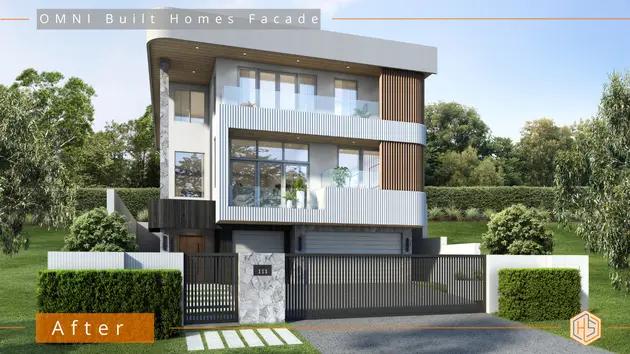
When it comes to new home design, it’s easy to get caught up in the floor plan, kitchen layout, or whether to go for a freestanding bath. But what often gets overlooked is the first thing everyone sees — the facade.
👇👇Designed by Hotspace👇👇
A well-designed exterior isn’t just about curb appeal. It’s about setting the tone for your home, reflecting your style, and creating something that stands out in a street full of similar builds. So if you’re diving into a new home design, here’s why your facade deserves just as much attention as everything inside the front door.
Why Most New Builds Miss the Mark
Many new builds in Australia follow a similar pattern — a few cladding choices, stock-standard windows, and a colour scheme chosen in under 30 minutes at a builder’s showroom. The result? A home that looks… fine. Not bad, but not you.
And that’s the issue.
You’re spending hundreds of thousands — or even millions — on your new home. Shouldn’t the outside be just as impressive as the inside?
The Facade Is Your First Impression
Your facade is the one part of your home that everyone sees — guests, neighbours, even people driving by. It’s also what you’ll come home to every day. It should feel like a true reflection of your personality and the style you’ve imagined throughout your new home design journey.
Great facade design takes into account:
-
Material selection – cladding, render, brick, stone, timber
-
Colour balance – a palette that feels timeless and tailored
-
Architectural details – eaves, screens, balustrades, fencing and more
-
Proportion and form – making sure all elements feel balanced
Inspiration Is Great — But It Needs to Be Pulled Together
A lot of my clients come to me with a folder full of screenshots, Pinterest boards, and inspo from Instagram. They know what they like — but they have no idea how to pull it all together into something cohesive that actually works on their home.
That’s where a considered, custom home facade design approach makes all the difference.
It’s not about copying one style or trend. It’s about understanding how all the elements — from cladding and colours to window shapes and rooflines — work together to create something that’s uniquely yours.
So… How Do You Avoid a Boring Facade?
-
Don’t rely on your builder’s standard selections — they’re limited and often designed for speed, not style.
-
Work with a designer who specialises in facade design and understands how to get the most impact from your new home.
-
Bring inspiration images, but be open to suggestions that will suit the shape of your home, your block, and your budget.
-
Think about the big picture — fencing, front yard landscaping, even your letterbox and driveway play a role.
Ready to Create a Home That Turns Heads?
If you’re building new and want a facade that makes people stop and say “Wow, I love that house!” — you’re in the right place.
Send me your plans and a few inspiration images via my enquiry page (link below), and I’ll see if we can help.
Jane
https://hotspaceconsultants.com/preliminary-enquiry/
Choosing the right roof colour for a hot climate isn’t just about modern street appeal—it’s about real, practical energy savings and comfort. Roof colour is make-or-break when it comes to battling relentless sun and soaring temperatures. The wrong choice can turn your home into a sweltering box. The right one? It works for you every single day. If you want to see what a truly considered roof transformation looks like, take a peek at our Gallery.
👇👇Designed by Hotspace👇👇
1. Why Roof Colour Matters in a Hot Climate
Drive through any neighbourhood on a summer afternoon and you instantly spot the difference. Homes with dark roofs trap in the heat, creating hot-box interiors, while those with lighter roof colours stay noticeably cooler. Here’s why roof colour matters in a hot climate:
- Light-coloured roofs reflect more sunlight and absorb less heat
- Darker roofs retain heat, increasing internal temperatures and aircon use
- A well-chosen roof colour reduces your home’s reliance on cooling systems—saving you money and energy
- Lighter roof surfaces can also slow the wear and tear caused by harsh UV
2. Optimising Roof Colour Choice for Kerb Appeal and Efficiency
Optimising roof colour for a hot climate doesn’t mean sacrificing style. The most sophisticated facades use neutral, contemporary hues to elevate architectural detail and maximise energy performance. The best picks for hot climates are:
- Crisp whites and off-whites—clean, fresh, timeless
- Light greys—subtle, elegant, and effective at deflecting heat
- Pale beige or soft taupe—adds warmth without absorbing heat
- Timber-look elements—introduce texture and visual interest without compromising reflectivity
Pairing a pale roof with rendered or cladded facades creates undeniable wow-factor and street appeal. Bold move? Sometimes it’s exactly what a dated home needs to truly stand out.
3. Roof Colour, Modern Materials and Architectural Layers
Roof colour is just the start. It should always be considered alongside the exterior finishes—think render, vertical cladding, or low-profile metal sheeting. Creating visual layers is what stops your home being lost in that sea of cookie-cutter roofs surrounding you. For maximum impact:
- Layer pale roofs against contrasting fascia and gutter for definition
- Use different textures, like matte or low-gloss finishes, to reinforce a modern edge
- Integrate timber accents or shadow lines to bring architectural interest
Contemporary neutral schemes never go out of style—and cleverly chosen materials mean less heat stress and a longer lifespan for that roof.
4. Avoiding Pitfalls With Roof Colour in Hot Climates
There’s nothing worse than investing in a new roof, only to find it’s made your home stifling (or, frankly, a design eyesore). Roof colour in a hot climate is just as much about performance as presentation. Here’s how to avoid costly mistakes:
- Avoid deep charcoal and black roofs—they soak up the heat and can fade quickly under strong sun
- Don’t default to the same-safe grey as your neighbours—subtle adjustments in tone can make your facade unique
- Engage a professional to assess your home’s orientation and existing building materials
- Always request large-format colour samples and view them in place, on-site and in natural light
For more on how this works in real renovations, see our exterior facelift/house facade renovation service.
Roof colour shouldn’t dominate—it needs to unify your entire facade. A cohesive result means every exterior element, from gutter to cladding, sits harmoniously together. Why risk an expensive visual misstep?
- Start with a clear facade colour scheme—roof, walls, cladding, and trims
- Ensure the roof colour tells the same story as your home’s architectural style
- Use contrast—pale roof, deeper base or feature walls—for instant modernity
- Always factor in local sunlight and shade patterns
Modernising your facade isn’t about just following rules, it’s about seeing what’s possible for your unique property—and making it happen with confidence.
Let’s be honest—pulling together a cohesive front facade renovation takes more than a Saturday afternoon and a paint swatch. The right design direction makes all the difference (and avoids those costly do-overs).
- Personalised, done-for-you design concepts focused on street appeal and resale value
- Detailed plans and trusted material recommendations
- Access to industry know-how—without the overwhelm
- Real-world case studies to inspire and guide your decisions
If you’re struggling to come up with ideas or worried about making a mess of your facade, get in touch via the link below.
Jane https://hotspaceconsultants.com/preliminary-enquiry/
Planning home extensions is an exciting opportunity to enhance your living spaces and add value to your property. Choosing the right professional to guide your design process is key to ensuring a smooth and successful outcome. The three primary options are 1) hiring an architect, 2) engaging a draftsperson, or 3) collaborating with a design consultancy like Hotspace. Each has its own strengths and considerations when it comes to home extensions.
👇👇Designed by Hotspace👇👇
Architect: The Comprehensive Designer
Pros:
- Holistic Design Expertise: Architects undergo extensive training, enabling them to create innovative and functional designs that harmoniously blend aesthetics with practicality.
- Project Management: Many architects offer services that encompass overseeing the entire project, ensuring that the construction aligns with the original design intent.
- Regulatory Knowledge: Their familiarity with local building codes and regulations can streamline the approval process, potentially mitigating delays.
Cons:
- Higher Costs: Architectural services are typically a lot more expensive than other options.
- Unwillingness to Take on Smaller Jobs: Most architects won’t even consider home extensions of a smaller scale, as these jobs often lack the design complexity they specialise in.
- Complex Designs: Some architects might propose intricate designs that, while visually appealing, could surpass the client’s budget or practical needs.
Draftsperson: The Technical Illustrator
Pros:
- Cost-Effective: Engaging a draftsperson is generally a more affordable option for preparing technical drawings for your home extension.
- Technical Proficiency: They excel at producing precise technical drawings required for construction and council approvals.
Cons:
- Limited Design Input: While skilled in technical aspects, drafts-people usually provide minimal design guidance, often resulting in a less visually appealing, less designer-focused outcome that may leave you feeling disappointed.
- Additional Consultants: Clients might need to hire other professionals, such as designers or engineers, to achieve a comprehensive design solution.
Design Consultancy (e.g., Hotspace): The Integrated Approach
Pros:
- Balanced Design Solutions: Design consultancies like Hotspace specialise in crafting designs that are both aesthetically pleasing and practical, tailored to the client’s lifestyle and budget.
-
Creative yet Practical Designs: Hotspace designs are known for being clever and creative, providing impressive results without being excessive or impractical. This often results in lower construction costs compared to some architect-designed projects.
-
Comprehensive Documentation: They provide detailed design plans and specifications, which can be handed over to a draftsperson for technical drawings, ensuring clarity and consistency for your home extension.
- Cost Efficiency: Design consultancies offer a streamlined service that allows clients to achieve high-quality design outcomes without excessive costs.
Cons:
- Additional Coordination: Clients will need to engage a draftsperson to convert design plans into technical drawings for builders and council approvals.
- Variable Drafting Costs: The cost for drafting services can vary, so obtaining multiple quotes is advisable to ensure clarity on pricing and services included.
Making the Right Choice for Your Home Extension
When planning a home extension, consider the following:
- Project Scope: For complex projects requiring innovative design solutions, an architect might be the best fit.
- Budget Constraints: If cost is a significant factor, a draftsperson or design consultancy could provide more economical options.
- Desired Involvement: Design consultancies offer a collaborative approach, allowing clients to be actively involved in the design process.
In conclusion, home extensions involve careful consideration of various design avenues. By evaluating the pros and cons of each option—architect, draftsperson, or design consultancy—you can select a path that aligns with your vision, budget, and project requirements.
Thinking about extending and improving the exterior of your home? Get in touch today for expert advice on how to modernise your facade and create a home you’ll love for years to come!
Jane
https://hotspaceconsultants.com/preliminary-enquiry/
To modernise a 90’s home, you need the right balance of updated colours, textures, and architectural enhancements. Many homes built in the 1990s have great bones but often lack the modern style and architectural interest seen in today’s homes. While their layouts may still function well, their facades can feel outdated, featuring darker colours, simpler rooflines, and design elements that don’t quite fit current trends. If your 90s home renovation is on the horizon, here are the key upgrades that will bring your property into the modern era while adding value and street appeal.
👇👇Designed by Hotspace👇👇
1. Lighten Up with a Modern Colour Palette
One of the most effective ways to modernise a 90s home is by refreshing its colour scheme. Many homes from this era featured dark, earthy tones or high-contrast combinations that now feel outdated. Instead, opt for a fresh, modern neutral palette—warm whites, soft greys, muted greiges, or even coastal blues and greens. Lighter tones not only make a home feel more contemporary but also help reflect light, giving the facade a fresh, airy feel.
2. Refresh the Roofline and Exterior Materials
A lot of 90s homes have simple, low-pitched or hip-and-gable roofs that lack architectural interest. While a full roofline update can be a major project, there are smaller ways to give it a facelift. Consider adding feature elements like extended eaves, new fascia details, or upgrading to a modern metal or tile roof finish.
Beyond the roof, updating exterior materials can transform the entire home. Rendering over old brick, adding vertical cladding, incorporating timber or stone elements, or using a mix of textures creates a more dynamic, contemporary aesthetic.
3. Upgrade the Entrance for Maximum Impact
The front entrance is one of the most important areas of any facade—it’s where first impressions are made. Many 90s homes have smaller or recessed entryways that don’t make a statement. A great upgrade is to install a larger, modern front door in a bold colour or a sleek timber finish. Enhancing the entrance with a portico, updated columns, or a covered walkway adds both presence and function. Don’t forget to include modern feature lighting to create an inviting, high-end look.
4. Rethink the Garage Door and Driveway
In many 90s home renovation projects, the garage is a dominant feature of the facade, yet it’s often overlooked. Upgrading an outdated roller or panel-lift garage door to a more modern design—perhaps in a matte black, timber-look, or sleek minimalist style—can significantly impact the home’s overall look.
If budget allows, updating the driveway can further modernise a 90’s home. Options like exposed aggregate, large concrete pavers, or a contrasting border design can create a more polished, cohesive finish.
5. Modernise Fencing and Landscaping
Older fencing styles can make a home feel dated, so updating the front boundary can make a big difference. Swapping out old metal or timber fencing for a rendered wall with vertical slats or a mix of materials creates a more contemporary edge.
Landscaping is another key factor in enhancing curb appeal. Replace overgrown or tired garden beds with structured greenery, native plants, and well-defined pathways. Introducing a mix of textural plants, layered garden beds, and feature pots can instantly modernise the home’s exterior.
6. Add Contemporary Lighting and Finishing Touches
Exterior lighting plays a big role in a home’s overall look, yet many 90s homes still have basic porch lights or outdated fixtures. Installing sleek, modern wall sconces, recessed lighting along pathways, and warm LED uplights around feature plants or architectural elements will give the home a sophisticated, welcoming ambiance.
Other small but impactful finishing touches include updated house numbers, a stylish mailbox, contemporary outdoor furniture, and statement planters by the entrance. These elements might seem minor, but they collectively help refine and complete the renovation.
The End Result: A Modern, Timeless Home
A well-executed 90s home renovation can completely transform a property, making it feel fresh, contemporary, and suited to modern lifestyles. With a thoughtful combination of updated colours, textures, and architectural details, you can achieve a home that not only looks stunning but also increases in value. Whether you’re upgrading to sell or simply want to modernise a 90’s home you love, these strategic changes will ensure your 90s house stands out for all the right reasons.
Thinking about upgrading your 90s home? Get in touch today for expert advice on how to modernise your facade and create a home you’ll love for years to come!
Jane
https://hotspaceconsultants.com/preliminary-enquiry/