In today’s world of home renovation, the exterior of your home isn’t just about kerb appeal—it’s about creating a welcoming, personalised look that reflects your style while adding value and function. Let’s dive into a few key concepts of modern exterior design to elevate your home and help your property stand out.
Mixing Materials for Visual Interest – One of the most impactful modern exterior design ideas you can use is the blending of materials. For example; combining timber cladding with concrete, stone, or even metal elements creates a striking contrast that immediately modernises a home. Timber (or timber-look) can soften the look of more industrial materials, adding warmth and texture, while materials like concrete or metal give the home a sleek, contemporary edge. The use of horizontal and vertical lines in cladding enhances this look, creating a dynamic façade that feels fresh and modern. When working with my clients, I often recommend starting with the architectural style of the home and introducing modern materials in small but impactful ways. For instance, adding a horizontal cladding like Axon or similar products can instantly lift the look without overwhelming the original structure.
👇👇Designed by Hotspace👇👇
Bold Colour Choices for a Statement Look – Modern exterior design thrives on bold, contrasting colours. While neutrals like white, black, and greys are timeless and continue to dominate, adding a bold pop of colour can transform the look of your home. Deep shades like charcoal or black paired with light trims create a high-contrast, contemporary feel.
Incorporating Large Windows for Natural Light – One of the key elements of modern exterior design is the use of large windows to allow natural light to flood into your living spaces. This not only helps connect the indoors with the outdoors but also gives your home a more open and airy feel. Frameless or minimalistic window designs, often in black or dark trims, provide that sleek, modern aesthetic.
Landscaping to Compliment the Architecture – No modern exterior design is complete without thoughtful landscaping. Clean lines in garden beds, minimalist outdoor spaces, and using natural elements like stone pavers or gravel paths are all great ways to create a cohesive modern look. Don’t forget to integrate lighting into your landscape design—strategically placed lights can highlight architectural features and create ambiance. I often encourage homeowners to view their exterior as an extension of their home. Modern landscaping helps tie everything together. Whether it’s a minimalist garden or a statement outdoor area, the landscaping should complement the house design and create a harmonious flow between indoors and out.
Lighting to Elevate the Design Exterior lighting plays a crucial role in modern design. From recessed lighting that illuminates pathways to statement wall lights that accentuate the home’s architecture, lighting is a tool that can enhance your design even after the sun sets. A modern exterior should consider both form and function when it comes to lighting—ensuring it adds to the overall aesthetic while providing safety and security. Whether it’s for highlighting specific design features or creating a warm glow around your home, well-placed lighting transforms the way the exterior feels at night.
Updating Rooflines for a Contemporary Touch – For those looking to make a bigger impact, altering the roofline can take your home from traditional to contemporary. Clean, flat lines or slightly pitched modern roofs are in vogue, adding to the overall sleekness of a home’s profile. Extending rooflines or integrating overhangs not only offers protection but also enhances the design. If you’re planning a renovation that involves roofline changes, always consult with a builder to explore how extending the roof could impact the overall structure and cost.
Modern exterior design is all about creating a cohesive, functional, and visually striking appearance. Whether you’re focused on minor updates or planning a full-scale renovation, it’s important to take a thoughtful approach to materials, colours, and architectural details. With the right design elements, you can achieve a home exterior that reflects your personality, enhances kerb appeal, and adds lasting value.
Let’s transform your home—starting from the outside!
Jane
https://hotspaceconsultants.com/preliminary-enquiry/
The success of contemporary home design is deeply rooted in the careful selection of materials that work harmoniously to create a cohesive, modern aesthetic. Each material choice—from stone cladding to timber battens—plays a crucial role in defining the look and feel of the home, balancing textures, and creating visual interest. In this article, I explore the impact of selecting specific materials and how thoughtful combinations can elevate your exterior design to the next level.
Stone Cladding: Adding Depth and Texture – Stone cladding is often the hero material in contemporary home design, offering a sense of permanence and structure to the facade. Its natural variations and tactile surface contrast beautifully with smoother materials, such as render or sleek horizontal panels. In the featured project, stone cladding was strategically placed around the entryway to create a welcoming focal point, drawing the eye in and grounding the overall look. The use of stone was not only a visual decision but a practical one as well. Stone cladding provides durability and requires minimal maintenance, making it ideal for high-traffic areas like front entrances. It’s the perfect choice to inject a touch of luxury without overwhelming the other elements, allowing it to blend seamlessly with the adjacent materials.
👇Designed by Hotspace👇
Timber (or Timber-Look) Battens: Warmth and Contrast – The inclusion of timber battens introduces warmth and texture to a modern facade, contrasting the cool, structured look of stone or concrete. Timber, with its organic patterns and natural hues, creates an inviting atmosphere, softening the sometimes stark appearance of contemporary home design. In this project, vertical timber battens were used to break up large expanses of wall and to add rhythm and visual interest to the facade. Choosing timber was a deliberate decision to complement the natural surroundings while also aligning with the home’s modern aesthetic. Timber’s adaptability allows it to work as a versatile accent, creating a seamless connection between indoor and outdoor spaces. The subtle variations in timber grain add character and depth, ensuring that the design maintains visual appeal even from a distance.
Rendered Surfaces: Clean Lines and Minimalism – Rendered surfaces provide a smooth, clean backdrop that emphasizes the sleek lines and minimalist approach characteristic of modern exterior design. The simplicity of rendered finishes allows other materials like stone and timber to take centre stage, contributing to a balanced and refined look. The choice of render in muted tones was made to complement the stone’s natural textures and the timber’s rich warmth, ensuring the entire facade felt unified rather than fragmented. The render’s neutral colour palette acts as a bridge between the contrasting materials, creating a cohesive flow that ties the various elements together.
Vertical vs. Horizontal Cladding: Playing with Lines and Proportions – One of the key aspects of achieving a contemporary home design is manipulating lines and proportions through material placement. Vertical timber battens, as used in this project, accentuate the height of the home, making it appear taller and more striking. On the other hand, horizontal cladding on the garage door and other sections elongates the facade, adding width and visual balance. When choosing the orientation of cladding, it’s essential to consider how it will influence the perception of space and structure. For this home, the interplay between vertical and horizontal elements created a dynamic exterior design, guiding the viewer’s eye and adding layers of complexity to an otherwise straightforward silhouette.
Metal Accents: Sleek and Sophisticated Touches – Incorporating metal accents is a subtle yet powerful way to enhance a contemporary home design. The use of sleek black metal framing around windows and doorways in this project added a refined edge to the exterior design. These accents are not only functional, providing structural support and durability, but also aesthetic, offering a striking contrast to the more organic textures of stone and timber. The minimalist appeal of metal complements the project’s other materials, reinforcing the modern, streamlined look without detracting from the facade’s overall warmth. It’s a thoughtful addition that ties all the elements together, ensuring that the facade reads as cohesive and polished.
Landscaping and Surrounding Features: Completing the Picture – No contemporary home design is complete without considering the landscaping and other surrounding elements. In this project, the use of carefully selected plant species and the modern, dark-toned fencing served as a frame for the facade, enhancing its impact. The lush greenery contrasts the darker hues of the fence and garage door, while soft lavender and purple accents in the garden beds echo the subtle tones in the stone cladding. The dark boundary fencing and raised garden beds serve as a base, highlighting the lighter materials of the house and drawing attention upward to the feature stone and timber elements. This interplay between hard and soft landscaping materials reinforces the overall contemporary aesthetic, ensuring the home feels both structured and inviting.
The Impact of Thoughtful Material Selection – A well-designed facade is more than just a collection of attractive materials; it’s a carefully orchestrated composition that balances textures, colours, and forms. Through the thoughtful selection and combination of materials like stone cladding, timber battens, and metal accents, a contemporary facade can achieve a look that is as cohesive as it is captivating. The result is a home that not only looks stunning but also reflects the homeowner’s style and personality, making a lasting impression.
Whether you’re looking to refresh a dated facade or create a new home designed from scratch, material selection is where you lay the groundwork for a striking, contemporary look.
Jane
https://hotspaceconsultants.com/preliminary-enquiry/

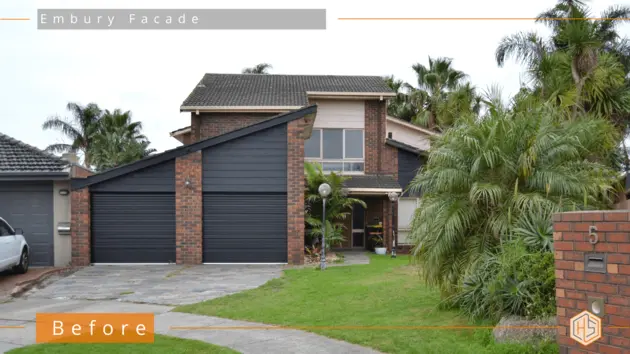
Renovating a brick house can often feel like a daunting challenge, especially when the first recommendation you hear is to render the exterior for a modern finish. While rendering can be a great option for achieving a smooth, contemporary look, it’s not always necessary to transform your home into the stunning showpiece you envision. In fact, preserving the unique charm of brick and incorporating some clever design elements can give your home a fresh, modern aesthetic—without losing its character or breaking the bank. Here’s how to take a dated brick facade and elevate it with style:
Embrace Brick’s Natural Texture – One of the primary reasons people lean towards rendering when renovating a brick house is to conceal the sheer quantity and ‘brown-ness’. But with a bit of creativity, these perceived imperfections can be turned to their advantage.
I love to incorporate cladding materials that complement the existing brickwork. It’s a great way to reduce a sea of brown texture and introduce more modern colours and patterns into the mix. Horizontal timber cladding, metal elements, or even contemporary panels like James Hardie’s Axon Board can add dimension and interest to the exterior. Strategically placing these materials—such as on part of an upper story, around the entrance, or as an accent wall—can create contrast and modernity without covering the entire house.
👇Designed by Hotspace👇
Update Windows & Entryways – Modernising the window frames, doors, and even the front entrance can dramatically change the look when renovating a brick house. Opt for slimline, black or charcoal window frames and a statement front door with a pop of colour or a unique design to draw attention. Consider installing larger windows or stacking doors to give the facade a more open and inviting feel. Adding a new portico or extending the roofline forward can also enhance the front entrance, giving it a grander presence.
Landscaping & Lighting – Don’t overlook the importance of landscaping and lighting in your facade’s transformation. Clean, minimal landscaping with modern planter boxes, feature trees, and structured garden beds complement the clean lines of a modern aesthetic. Layered exterior lighting, from ground lights to wall sconces, can highlight the textural differences between the brick and any new materials, showcasing the house’s best features.
Rendering a brick house isn’t the only path to achieving a modern transformation. With strategic paint choices, clever use of cladding, and thoughtful updates to windows, doors, and landscaping, your brick home can be completely re-imagined—maintaining its authenticity while stepping into the present.
Renovating a brick house, but need help to achieve a striking design? Send me some photos and tell me a bit about your project here… (https://hotspaceconsultants.com/preliminary-enquiry/).
Jane
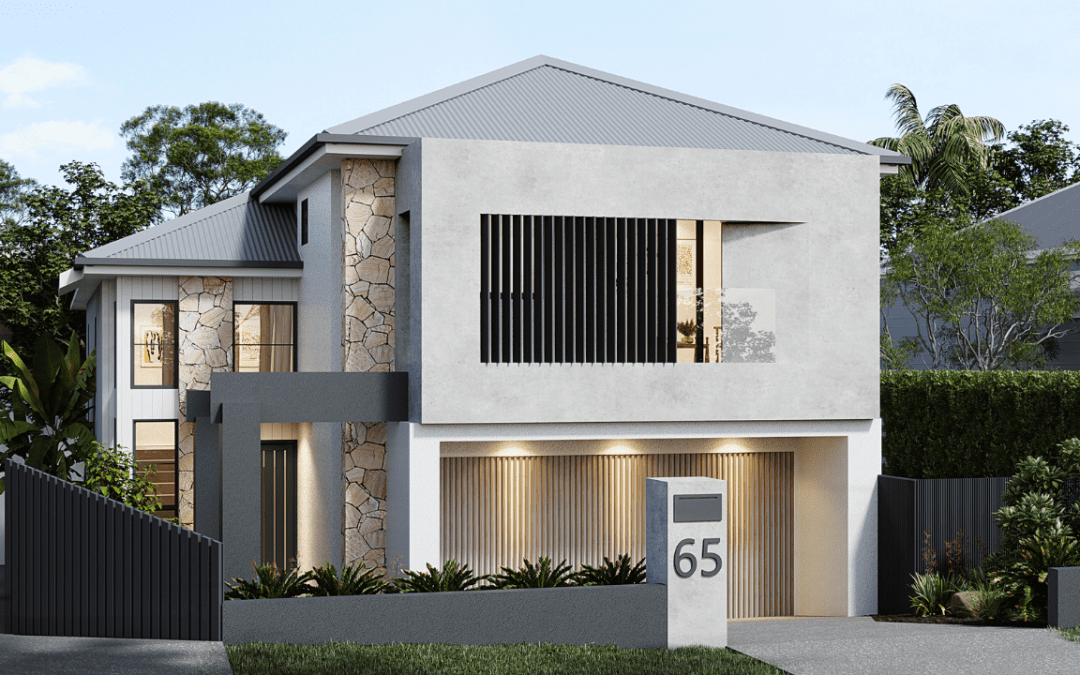
Choosing the right exterior colours can make or break your home’s street appeal. The right palette can highlight architectural features, create harmony with the surrounding environment, and give your home a unique personality. However, it’s easy to get overwhelmed by the endless colour options and make decisions that detract from the overall look rather than enhance it. To help you avoid these pitfalls, let’s explore some of the most common mistakes homeowners make when choosing exterior colours—and how to get it right.
Using Too Many Colours – Less is often more when it comes to choosing exterior colours. Homeowners sometimes get carried away and add multiple colours for trims, windows, and doors, hoping to create contrast and interest. However, using too many colours can make the facade look chaotic and over-complicated. Stick to a maximum of four colours: a dominant colour for the main body, and 2-3 secondary colours for trims, accents and feature elements. This approach maintains simplicity and balance while still providing enough variety to highlight architectural features.
👇Designed by Hotspace👇
Overlooking Undertones – Every colour has an undertone that can influence how it pairs with other colours. For instance, a grey with blue undertones can look cold and stark next to warm-toned brickwork or timber cladding. This mismatch can result in a facade that feels unbalanced. When selecting exterior colours, pay attention to undertones and test them against each other. This will help ensure that all colours within your palette work harmoniously.
Choosing Colours in Isolation – Another common error is selecting colours without considering the fixed elements of the house, such as the roof, driveway, and any existing stone or brickwork. These elements already have a dominant colour or tone that should inform your exterior palette. Ignoring them can lead to a disjointed look that feels mismatched and unplanned. For a cohesive finish, choose colours that complement these features rather than compete with them.
Ignoring Lighting and its Impact – One of the biggest mistakes homeowners make is not considering how natural lighting affects exterior colours. Colours can appear significantly different depending on the time of day and weather conditions. For example, a colour that looks perfect in the morning light may appear too washed out in the harsh midday sun or too dark in the evening. Before committing to a colour, always test swatches on the exterior and observe them at various times throughout the day. This step will ensure that the final colour remains consistent with your vision regardless of lighting.
Choosing Colours Based Solely on Trends – Trends come and go, and what’s in vogue today may look dated in just a few years. Choosing exterior colours based solely on current trends can lead to regret down the road. Instead, focus on timeless colours that reflect the architectural style of your home and suit your personal tastes. You can always incorporate trends in smaller, easy-to-change elements like door colours or garden features, but keep the primary exterior colours classic for longevity.
Not Considering the Neighbourhood Context – Your home doesn’t exist in isolation; it’s part of a broader streetscape. While it’s important to choose colours that reflect your style, going too bold or drastically different from neighbouring homes can make your house stick out for the wrong reasons. Instead, look at the colour palettes used in your neighbourhood and aim to complement them. A coordinated approach will add to the overall appeal of the street and ensure your home stands out in a positive way.
Forgetting to Sample Properly – Finally, not sampling colours properly is a mistake that can lead to major disappointment. Small paint chips or digital renderings don’t provide an accurate representation of how the colour will look on your home. Invest in sample pots, paint large swatches on different parts of your house, and observe them at different times of the day. This will give you a true sense of the colour’s impact on a larger scale.
Choosing the right exterior colours is a blend of art and strategy. By avoiding these common mistakes, you can ensure your home’s facade is beautiful, cohesive, and timeless. Take the time to test, plan, and evaluate your choices, and you’ll be rewarded with a stunning home exterior that you’ll love for years to come.
Jane
https://hotspaceconsultants.com/preliminary-enquiry/
Feature walls have a bit of a reputation, don’t they? Some people love them, while others —maybe you — have been hesitant to embrace the idea. You’ve probably seen too many poorly executed feature walls that just overwhelm a space, leaving you wondering why they even exist in the first place.
But here’s the thing: if done right, a feature wall can elevate your home’s design and create a focal point that feels balanced, stylish, and full of personality.
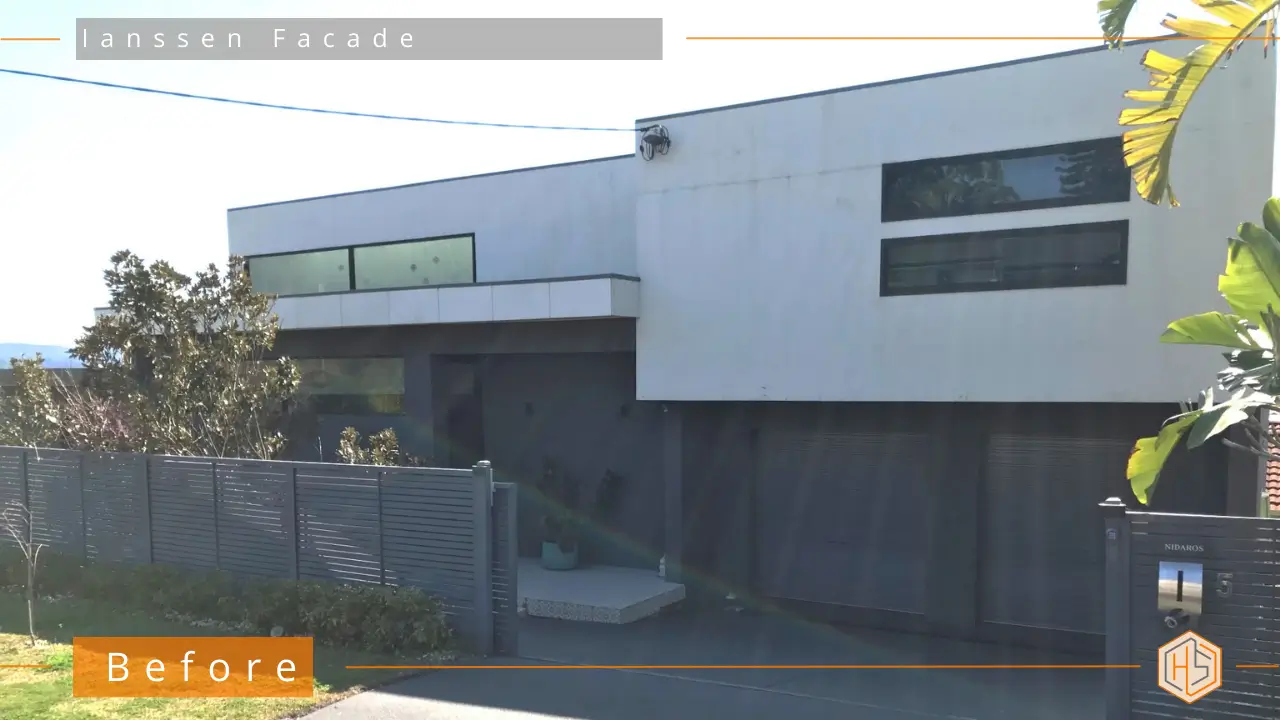
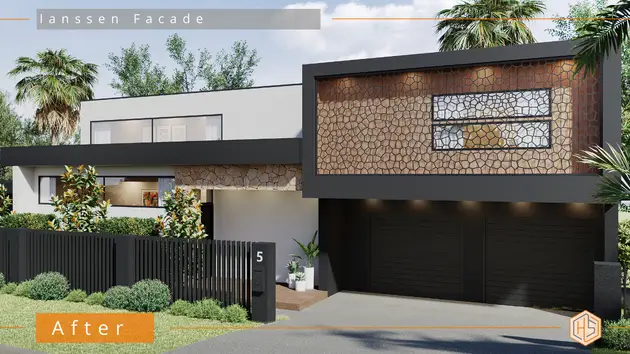
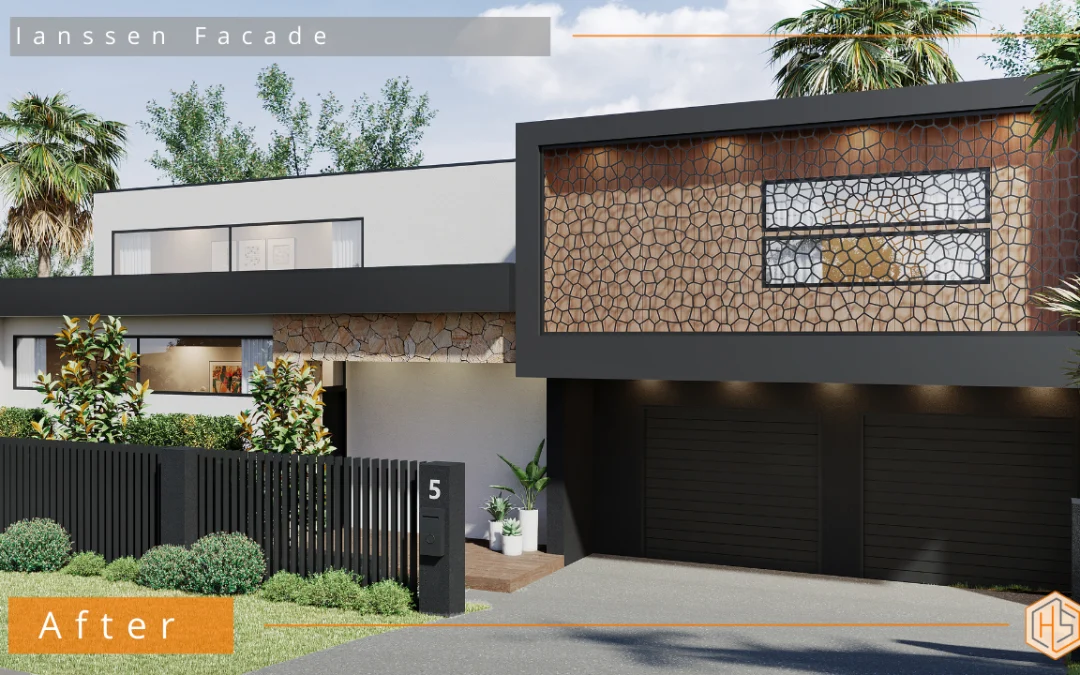
This façade transformation I recently designed shows exactly how powerful a well-planned feature wall can be. The house went from flat and forgettable to bold yet elegant. If you’ve ever thought, “I’d never do a feature wall,” you might want to think again—because with the right approach, it can look absolutely incredible.
Let’s break down what makes a great feature wall and how you can get it right the first time.
Start with Statement Colours that Complement – The first thing to consider when creating a feature wall are the colours. You want them to stand out, but not too much. Think of it as a statement piece that enhances your overall design, not competes with it.
For this Central Coast NSW renovation, I selected a deep, earthy tone for the feature wall surround, which beautifully contrasts with the clean, neutral palette of the rest of the home. The colour enhances the surrounding textures without overpowering them. When you’re choosing a colour, opt for something bold yet complementary to the rest of your home. Darker tones like deep charcoal can be sophisticated and striking, especially when paired with lighter, neutral surroundings.
👇Designed by Hotspace👇
Texture: Add Depth and Interest – Plain painted walls are fine, but if you really want to elevate your home, consider adding texture to your feature wall. Whether it’s timber, stone, or a unique pattern, texture gives your house dimension and makes it much more visually interesting.
In this case, the feature wall comes alive with a timber-look cladding and honeycomb-style laser-cut overlay. The intricate texture creates a bold yet tasteful statement, adding layers of warmth and character.
Lighting: Let Your Feature Wall Shine – Lighting can make or break your feature wall. The right lighting enhances textures, highlights your chosen colours, and adds warmth to the house façade design. Think about how lighting changes throughout the day—natural light will play off the textures differently as the sun moves, and at night, warm ambient lighting can make the wall glow, creating a cozy, inviting atmosphere.
Restraint: Don’t Overdo It – Here’s the golden rule when it comes to feature walls: less is more. A great feature wall needs space to breathe. If you try to incorporate too many bold elements across the front of your home, your feature wall will lose its impact. Keep the rest of the design simple and let the wall be the hero.
For this exterior design, I kept the surrounding elements to a minimum — clean lines, soft neutrals, and an uncluttered landscape. This allowed the feature wall to stand out without the rest of the home competing for attention.
When planning your own feature wall, remember to let it be the focal point. Balance the space by keeping the rest of the design understated and let the feature wall speak for itself.
Ready to Transform Your Space? If you’ve been on the fence about renovating your home exterior, hopefully this has inspired you. The right features (feature wall or otherwise) can turn a simple home into something truly remarkable.
And the best part is that it’s entirely up to you how bold—or how subtle—you want to go. Just remember, it’s all about balance. Find that, and you’ll have a feature wall that’s not just a trend, but a timeless addition to your home!
Feeling inspired but need help to achieve a striking design for your home? Send me some photos and tell me a bit about your project here… (https://hotspaceconsultants.com/preliminary-enquiry/)
Jane
Selecting the right exterior paint colours is one of the most impactful decisions you can make when updating your home. The right colours will elevate your home’s kerb appeal, complement the surrounding environment, and reflect your personal style. However, choosing colours isn’t as simple as picking your favorites. It’s a strategic process that blends aesthetics, architecture, and even a bit of psychology. Whether you’re aiming for a sleek modern look, a timeless classic appeal, or a relaxed coastal vibe, here’s what you need to know to get it right.
Understanding the Psychology of Colour – Colour has the power to influence emotions and perceptions. For example, cool colours like blues and greens tend to evoke a sense of calm and serenity, making them ideal for coastal or natural-inspired designs. Neutral and warm tones, such as whites, greys, and taupes, are versatile and create a sense of stability and sophistication.
When choosing a palette, think about the mood you want to establish. Do you want your home to feel inviting and warm, or modern and understated? Consider not just how the colours make you feel, but how they will be perceived by others—particularly if you’re thinking about resale value.
👇Designed by Hotspace👇
Choosing Colours Based on Architectural Style – Your home’s architectural style is a critical factor when deciding on exterior paint colours. A mid-century modern home, for instance, lends itself to bold, contrasting colours like charcoal grey and crisp white, complemented by pops of vibrant hues. On the other hand, a classic heritage-style home looks stunning with soft, muted tones like sage green, cream, or baby grey/blue, paired with white trims for an elegant finish. For coastal homes, think breezy, light-filled palettes that reflect the surroundings—whites, soft blues, sandy beiges, and driftwood-inspired greys. These colours work harmoniously with the natural elements and provide a relaxed, beachy atmosphere. Understanding your home’s architecture ensures that your chosen colours enhance its character rather than clash with its design.
Harmonizing with the Surroundings – One of the most common mistakes homeowners make is choosing exterior paint colours in isolation without considering the rest of the house. Take note of any elements that will not be changed, and be sure to choose colours that complement these existing features rather than compete with them. A well-balanced colour scheme takes all these factors into account, creating a cohesive and polished look.
Bringing It All Together – Choosing the right exterior paint colours is a blend of science, style, and strategy. Take time to consider the mood you want to create, the architectural style of your home, and the surrounding environment. Test your choices thoroughly and be mindful of undertones, fixed elements, and lighting conditions. With a thoughtful approach, your home’s facade can be transformed into a stunning, cohesive masterpiece that reflects both your personality and the beauty of its surroundings.
If you’ve tried to update your home or simply have no idea where to begin, send me a message via the link below.
Jane
https://hotspaceconsultants.com/preliminary-enquiry/