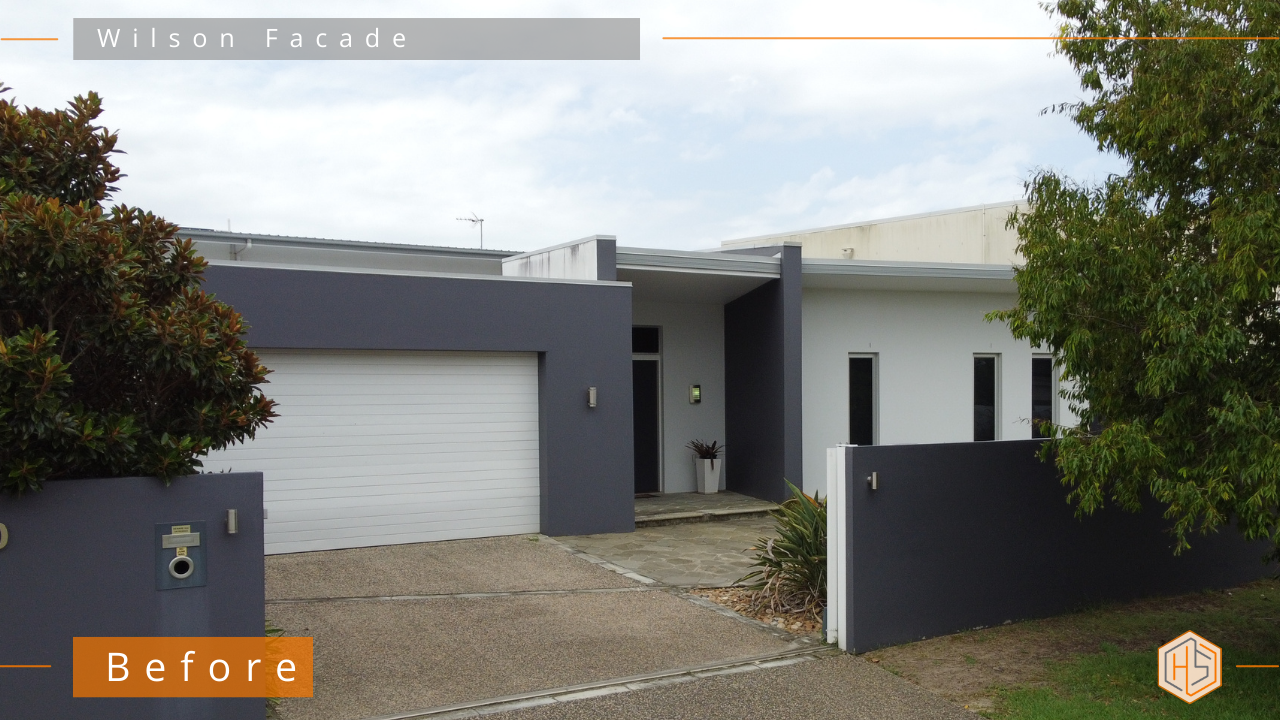
Planning home extensions is an exciting opportunity to enhance your living spaces and add value to your property. Choosing the right professional to guide your design process is key to ensuring a smooth and successful outcome. The three primary options are 1) hiring an architect, 2) engaging a draftsperson, or 3) collaborating with a design consultancy like Hotspace. Each has its own strengths and considerations when it comes to home extensions.
👇👇Designed by Hotspace👇👇
Architect: The Comprehensive Designer
Pros:
- Holistic Design Expertise: Architects undergo extensive training, enabling them to create innovative and functional designs that harmoniously blend aesthetics with practicality.
- Project Management: Many architects offer services that encompass overseeing the entire project, ensuring that the construction aligns with the original design intent.
- Regulatory Knowledge: Their familiarity with local building codes and regulations can streamline the approval process, potentially mitigating delays.
Cons:
- Higher Costs: Architectural services are typically a lot more expensive than other options.
- Unwillingness to Take on Smaller Jobs: Most architects won’t even consider home extensions of a smaller scale, as these jobs often lack the design complexity they specialise in.
- Complex Designs: Some architects might propose intricate designs that, while visually appealing, could surpass the client’s budget or practical needs.
Draftsperson: The Technical Illustrator
Pros:
- Cost-Effective: Engaging a draftsperson is generally a more affordable option for preparing technical drawings for your home extension.
- Technical Proficiency: They excel at producing precise technical drawings required for construction and council approvals.
Cons:
- Limited Design Input: While skilled in technical aspects, drafts-people usually provide minimal design guidance, often resulting in a less visually appealing, less designer-focused outcome that may leave you feeling disappointed.
- Additional Consultants: Clients might need to hire other professionals, such as designers or engineers, to achieve a comprehensive design solution.
Design Consultancy (e.g., Hotspace): The Integrated Approach
Pros:
- Balanced Design Solutions: Design consultancies like Hotspace specialise in crafting designs that are both aesthetically pleasing and practical, tailored to the client’s lifestyle and budget.
-
Creative yet Practical Designs: Hotspace designs are known for being clever and creative, providing impressive results without being excessive or impractical. This often results in lower construction costs compared to some architect-designed projects.
-
Comprehensive Documentation: They provide detailed design plans and specifications, which can be handed over to a draftsperson for technical drawings, ensuring clarity and consistency for your home extension.
- Cost Efficiency: Design consultancies offer a streamlined service that allows clients to achieve high-quality design outcomes without excessive costs.
Cons:
- Additional Coordination: Clients will need to engage a draftsperson to convert design plans into technical drawings for builders and council approvals.
- Variable Drafting Costs: The cost for drafting services can vary, so obtaining multiple quotes is advisable to ensure clarity on pricing and services included.
Making the Right Choice for Your Home Extension
When planning a home extension, consider the following:
- Project Scope: For complex projects requiring innovative design solutions, an architect might be the best fit.
- Budget Constraints: If cost is a significant factor, a draftsperson or design consultancy could provide more economical options.
- Desired Involvement: Design consultancies offer a collaborative approach, allowing clients to be actively involved in the design process.
In conclusion, home extensions involve careful consideration of various design avenues. By evaluating the pros and cons of each option—architect, draftsperson, or design consultancy—you can select a path that aligns with your vision, budget, and project requirements.
Thinking about extending and improving the exterior of your home? Get in touch today for expert advice on how to modernise your facade and create a home you’ll love for years to come!
Jane
https://hotspaceconsultants.com/preliminary-enquiry/
To modernise a 90’s home, you need the right balance of updated colours, textures, and architectural enhancements. Many homes built in the 1990s have great bones but often lack the modern style and architectural interest seen in today’s homes. While their layouts may still function well, their facades can feel outdated, featuring darker colours, simpler rooflines, and design elements that don’t quite fit current trends. If your 90s home renovation is on the horizon, here are the key upgrades that will bring your property into the modern era while adding value and street appeal.
👇👇Designed by Hotspace👇👇
1. Lighten Up with a Modern Colour Palette
One of the most effective ways to modernise a 90s home is by refreshing its colour scheme. Many homes from this era featured dark, earthy tones or high-contrast combinations that now feel outdated. Instead, opt for a fresh, modern neutral palette—warm whites, soft greys, muted greiges, or even coastal blues and greens. Lighter tones not only make a home feel more contemporary but also help reflect light, giving the facade a fresh, airy feel.
2. Refresh the Roofline and Exterior Materials
A lot of 90s homes have simple, low-pitched or hip-and-gable roofs that lack architectural interest. While a full roofline update can be a major project, there are smaller ways to give it a facelift. Consider adding feature elements like extended eaves, new fascia details, or upgrading to a modern metal or tile roof finish.
Beyond the roof, updating exterior materials can transform the entire home. Rendering over old brick, adding vertical cladding, incorporating timber or stone elements, or using a mix of textures creates a more dynamic, contemporary aesthetic.
3. Upgrade the Entrance for Maximum Impact
The front entrance is one of the most important areas of any facade—it’s where first impressions are made. Many 90s homes have smaller or recessed entryways that don’t make a statement. A great upgrade is to install a larger, modern front door in a bold colour or a sleek timber finish. Enhancing the entrance with a portico, updated columns, or a covered walkway adds both presence and function. Don’t forget to include modern feature lighting to create an inviting, high-end look.
4. Rethink the Garage Door and Driveway
In many 90s home renovation projects, the garage is a dominant feature of the facade, yet it’s often overlooked. Upgrading an outdated roller or panel-lift garage door to a more modern design—perhaps in a matte black, timber-look, or sleek minimalist style—can significantly impact the home’s overall look.
If budget allows, updating the driveway can further modernise a 90’s home. Options like exposed aggregate, large concrete pavers, or a contrasting border design can create a more polished, cohesive finish.
5. Modernise Fencing and Landscaping
Older fencing styles can make a home feel dated, so updating the front boundary can make a big difference. Swapping out old metal or timber fencing for a rendered wall with vertical slats or a mix of materials creates a more contemporary edge.
Landscaping is another key factor in enhancing curb appeal. Replace overgrown or tired garden beds with structured greenery, native plants, and well-defined pathways. Introducing a mix of textural plants, layered garden beds, and feature pots can instantly modernise the home’s exterior.
6. Add Contemporary Lighting and Finishing Touches
Exterior lighting plays a big role in a home’s overall look, yet many 90s homes still have basic porch lights or outdated fixtures. Installing sleek, modern wall sconces, recessed lighting along pathways, and warm LED uplights around feature plants or architectural elements will give the home a sophisticated, welcoming ambiance.
Other small but impactful finishing touches include updated house numbers, a stylish mailbox, contemporary outdoor furniture, and statement planters by the entrance. These elements might seem minor, but they collectively help refine and complete the renovation.
The End Result: A Modern, Timeless Home
A well-executed 90s home renovation can completely transform a property, making it feel fresh, contemporary, and suited to modern lifestyles. With a thoughtful combination of updated colours, textures, and architectural details, you can achieve a home that not only looks stunning but also increases in value. Whether you’re upgrading to sell or simply want to modernise a 90’s home you love, these strategic changes will ensure your 90s house stands out for all the right reasons.
Thinking about upgrading your 90s home? Get in touch today for expert advice on how to modernise your facade and create a home you’ll love for years to come!
Jane
https://hotspaceconsultants.com/preliminary-enquiry/
In a world where so many homes blend into a sea of grey, introducing warmth and texture to your modern home renovation is essential for breaking free from the monotony. If you’re looking to refresh your home’s exterior, this guide is for you.
How to Add Colour to Your Exterior
Instead of painting your home exterior different colours, you can bring it to life by using a mixture of neutral shades and some strategic design elements. Some of the best ways to achieve this include:
– Timber or Timber-Look Accents – These add warmth and depth, making a modern home feel inviting and dynamic.
– Stone Cladding – Feature walls or stone detailing around entrances and garages enhance texture and richness.
– Landscaping – Thoughtfully chosen plants and hardscaping elements provide contrast and soften the look of a contemporary home.
👇👇Designed by Hotspace👇👇
A Real-World Transformation
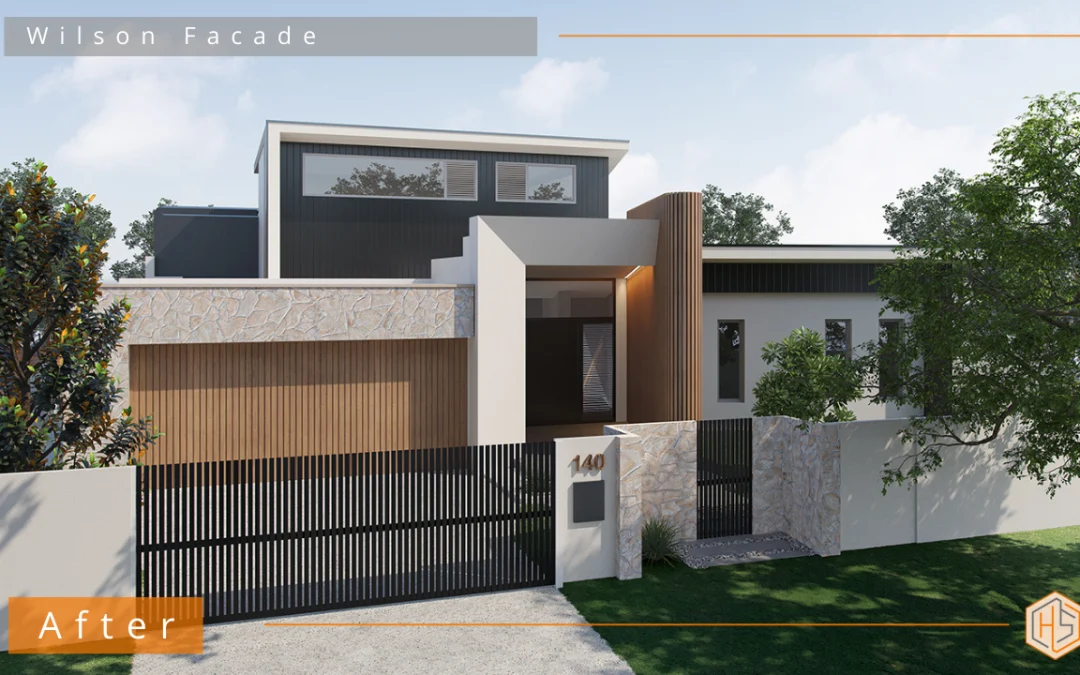
Take this recent project on the Gold Coast as an example. The home already had a contemporary design but lacked inspiration and character. The owners wanted to extend their home by adding another room upstairs, and this became an opportunity to integrate some new fresh modern home renovation ideas.
To create a visually appealing and well-balanced facade, the design incorporated:
- A New Feature Wall – This became a focal point, enhancing architectural interest and breaking up large surfaces.
- Stone Detailing Around the Garage Door – A subtle but impactful way to introduce texture and sophistication.
- A Striking Front Entrance Structure – Designed to frame the entryway beautifully, its angular shape creates interesting shadows throughout the day, adding a dynamic element to the facade.
- Concealed Strip Lighting – Thoughtfully placed lighting enhances the home’s depth and highlights key architectural features at night.
The Power of Modern Home Renovation
When done right, modern home renovation focuses on balance – clean lines, interesting materials, and a thoughtful interplay between light and shadow. The right mix of elements ensures a home feels both stylish and welcoming.
If this style speaks to you and you’re ready to transform your home’s exterior with a fresh, modern design, you can get in touch with me at https://hotspaceconsultants.com/preliminary-enquiry/
Jane
https://hotspaceconsultants.com/preliminary-enquiry/
If you’re living in a home with dated Mediterranean charm, transforming it into a contemporary exterior could be the key to unlocking its full potential. Once popular in the 90s and early 2000s, Tuscan-inspired homes are now often seen as heavy and outdated. Updating your facade with a sleek, modern design will dramatically improve your home’s street appeal and give it a fresh, stylish look.
👇👇Designed by Hotspace👇👇
At Hotspace, we specialise in helping homeowners turn outdated facades into stunning, contemporary exteriors that reflect current design trends. Here’s how to shift from a traditional Tuscan style to a sleek and modern look.
What Makes a Tuscan-Style Home Feel Dated?
Tuscan-inspired homes typically feature:
- Creamy beige or earthy colour palettes
- Arched windows and doorways
- Decorative columns and ornate mouldings
- Terracotta or clay-style roof tiles
- Wrought iron details
While these elements once embodied Mediterranean elegance, they can now appear overly decorative and outdated compared to the clean lines and minimalism of a contemporary exterior.
What Defines a Contemporary Exterior?
Contemporary exterior design focuses on simplicity, clean geometry, and subtle textures. Here are the key elements to incorporate:
✅ Neutral colour palettes – Replace warm, earthy tones with crisp whites, cool greys, or bold charcoals.
✅ Geometric shapes and straight lines – Swap out arches and elaborate curves for squared-off openings and sharper architectural forms.
✅ Layered materials – Combine stone, timber, metal, and modern cladding for visual depth and interest.
✅ Minimalist detailing – Eliminate ornate features in favour of sleek, simplified finishes.
✅ Asymmetry and contrast – Modern designs embrace varied rooflines, unique window placements, and layered landscaping to break away from symmetry and create visual intrigue.
How to Transform a Tuscan-Style Home into a Contemporary Exterior
-
Update the Colour Scheme
The easiest way to start modernising your home is by refreshing its colour palette, so ditch the creamy-beige tones and opt for a neutral palette like soft greys, warm whites, or charcoal to give your facade a sleek foundation.
-
Replace Arches with Straight Lines
Arched windows and doorways are trademarks of Tuscan design but can feel dated. Replacing them with square or rectangular designs immediately gives your home a more contemporary exterior.
-
Simplify the Architectural Details
Elaborate columns and decorative mouldings tend to feel heavy and outdated. Instead, replace them with clean lines and streamlined features creates a more balanced and modern facade.
-
Incorporate Modern Materials
Introduce textured stone, timber battens, or modern cladding to add depth and break up the large areas of render to making the facade feel more dynamic and visually engaging.
-
Modernise Your Landscaping
Don’t forget about the front yard — sleek landscaping with geometric paving, low-maintenance plants, and minimalist fencing can elevate the entire look and complement your contemporary exterior.
Ready to Transform Your Home?
If you’re ready to update your Tuscan-style facade with a sleek, modern contemporary exterior, let’s work together to bring your vision to life. Contact me via the link below for expert advice and a custom design that turns your home into a true showstopper.
hotspaceconsultants.com/preliminary-enquiry/
Jane Eyles-Bennett
Backyard renovations are often treated as standalone projects, lacking integration with the home’s overall design. But a well-designed upgrade should feel like a natural extension of your home – both in functionality and style. When planned thoughtfully, your outdoor living space and back facade design should create a seamless indoor-outdoor flow, making every space more inviting, practical, and visually stunning.
👇👇Designed by Hotspace👇👇
Cohesion: Linking the Interior, Exterior & Landscape
The key to successful backyard renovations is cohesion. The colours, materials, and architectural details of your home’s exterior should be reflected in the outdoor entertaining area. If your home exterior features timber accents, consider incorporating timber detail on the ceiling, outdoor kitchen, or decorative screens. If your interior leans towards a neutral palette with soft textures, extend that with warm, natural finishes outside. A cohesive backyard design ensures that your home and yard feel like one, rather than two disconnected spaces.
Functionality: Creating a Practical Outdoor Living Space
Backyard renovations should be as practical as they are beautiful. It’s essential to think about how the space will be used daily. Will you entertain large groups, or do you prefer quiet moments with family? Do you need space for kids to play, or is a resort-style retreat more your style? Answering these questions will help prioritise what elements to include.
Some considerations for a functional and stylish backyard include:
– Shaded and Sunny Areas – A mix of sun and shade ensures comfort at all times of the day. Pergolas, umbrellas, or covered patios can provide relief from harsh sun, while open areas allow for warmth during cooler months.
– Spaciousness & Flow – Avoid cramming too much into a small space. A well-planned layout should feel open, with clear walkways and a logical connection to the house.
– Outdoor Dining & Lounge Seating – If space allows, separate areas for outdoor dining and relaxed seating create a dynamic and practical outdoor entertaining area.
– Poolside Seating & Functionality – If you have a pool, ensure there’s ample space around it for poolside seating, sun loungers, and essentials like towel hooks and a sunscreen station.
– BBQ & Outdoor Kitchen – A well-equipped outdoor kitchen can make entertaining seamless, with a built-in BBQ, counter space, and storage for all the essentials.
Aesthetic Considerations: Comfort & Ambiance
Beyond function, the right design choices can elevate your backyard upgrade into a true retreat. For example:
– A Balanced Colour Scheme – Stick with neutral backyard colours that tie in with your home’s facade/exterior design, but avoid stark whites that can feel too bright and glary. Warm greys, soft beiges, and muted natural hues work well.
– Layered Greenery & Landscaping – Backyard landscaping ideas should include a mix of structured greenery, flowering plants, and small trees to create depth and interest.
– Modern Outdoor Lighting – Outdoor lighting should be layered for both function and atmosphere. Dimmable lighting is perfect for adjusting the mood, while well-placed feature lighting enhances architectural and landscaping elements.
– Small Touches That Make a Difference – Details like outdoor storage, discreet bin areas, towel hooks near the pool, and a stylish fire pit contribute to a refined yet practical outdoor experience.
Prioritising What Matters to You
Whether it’s a large outdoor entertaining area, a peaceful garden retreat, or a child-friendly layout, the design should reflect how you live. A well-planned backyard upgrade is not just an add-on – it’s an integral part of your home, blending function and beauty to create an inviting, cohesive, and practical outdoor living space for years to come.
Need help to bring your backyard back to life? Whether you’re looking for expert advice on creating a functional outdoor living space, selecting the perfect materials, or achieving seamless indoor-outdoor flow, we can guide you through every step of the process.
Send me some photos via the link below, and let’s explore your options.
hotspaceconsultants.com/preliminary-enquiry/
Jane Eyles-Bennett
A dated home renovation doesn’t mean stripping away all the charm and character that makes your home unique. The best renovations balance modern updates with the original style, creating a home that feels fresh, functional, and timeless.
If your home is starting to feel tired but you don’t want a full rebuild, here’s how to refresh it while keeping its essence intact.
1. Work with the Existing Architecture – Instead of forcing a new style onto an older home, sometimes it’s wiser to embrace its best features. Whether your home has traditional brickwork, a federation-style verandah, or mid-century elements, a thoughtful dated home renovation should enhance, not erase, these details. Retaining character-defining features while introducing modern finishes ensures the home feels cohesive and intentional.
👇👇Designed by Hotspace👇👇
2. Refresh the Colour Palette for a Modern Look – A fresh coat of paint is one of the most effective ways to update a home’s exterior. But with a dated home renovation, it’s important to choose colours that complement the home’s era while bringing it into the present. Instead of stark whites or ultra-trendy dark tones, consider soft neutrals, warm greys, or deep earthy hues to create a timeless transformation.
3. Introduce Contemporary Materials That Work with the Existing Style – The right materials can make all the difference in a dated home renovation. Modernising doesn’t have to mean replacing everything—strategic additions can elevate the existing facade:
- Smooth render over old brick to give a sleek, contemporary feel.
- Timber-look battens or panelling to add warmth and texture.
- Black or metallic finishes on windows, gutters, and fencing for a sharp contrast.
4. Upgrade Key Features for a Noticeable Impact – You don’t need a full rebuild to modernise a home. A dated home renovation can focus on upgrading select elements to create a fresh and inviting look:
✔ Front Door & Windows – Swapping out an outdated door for a modern yet classic design makes an instant difference. New window frames in a crisp black or warm timber finish can redefine the facade.
✔ Roofline Enhancements – Replacing old gutters, adding a small awning, or updating roofing materials can subtly modernise the overall look.
✔ Lighting – Well-placed exterior lighting can enhance architectural details and create a more welcoming ambiance.
5. Refresh the Entryway for a Grand Welcome – The entrance is the focal point of any home, and with a dated home renovation, even small changes can elevate it. Updating the pathway, widening the steps, or adding a feature portico can make the home feel more inviting and high-end.
6. Refine the Landscaping to Complement the Facade – Older homes often have overgrown or mismatched landscaping that detracts from the facade. A more structured garden design, featuring sculpted greenery and layered plantings, can enhance the home’s exterior without overwhelming it.
Need Help Modernising Your Home’s Exterior?
If you’re planning a home renovation and want to create a stunning transformation without losing character, I can help.
📩 Send me some photos via the link below, and let’s explore your options.
hotspaceconsultants.com/preliminary-enquiry/
Jane Eyles-Bennett